


What is Anti Tarnish Jewellery? Discover the Secret to Long-Lasting Shine

Jewellery is more than just adornment; it’s a reflection of your personality and style. But over time, many pieces lose their shine, turning dull or discoloured, a process known as tarnishing.
This is where anti tarnish jewellery steps in, promising brilliance that lasts. But what is anti tarnish jewellery, and why is KYMEE’s 18K Gold Vermeil line at the forefront of this innovation?
How Does Jewellery Tarnish?
The Science Behind Tarnishing
Tarnishing occurs when the surface of a metal reacts with substances in the air, especially sulfur and oxygen. For silver and lower-quality gold alloys, this reaction creates a dark, unsightly layer.
Common Causes of Tarnishing
- Exposure to air and moisture
- Contact with perfumes, lotions, and sweat
- Infrequent cleaning or improper storage
-
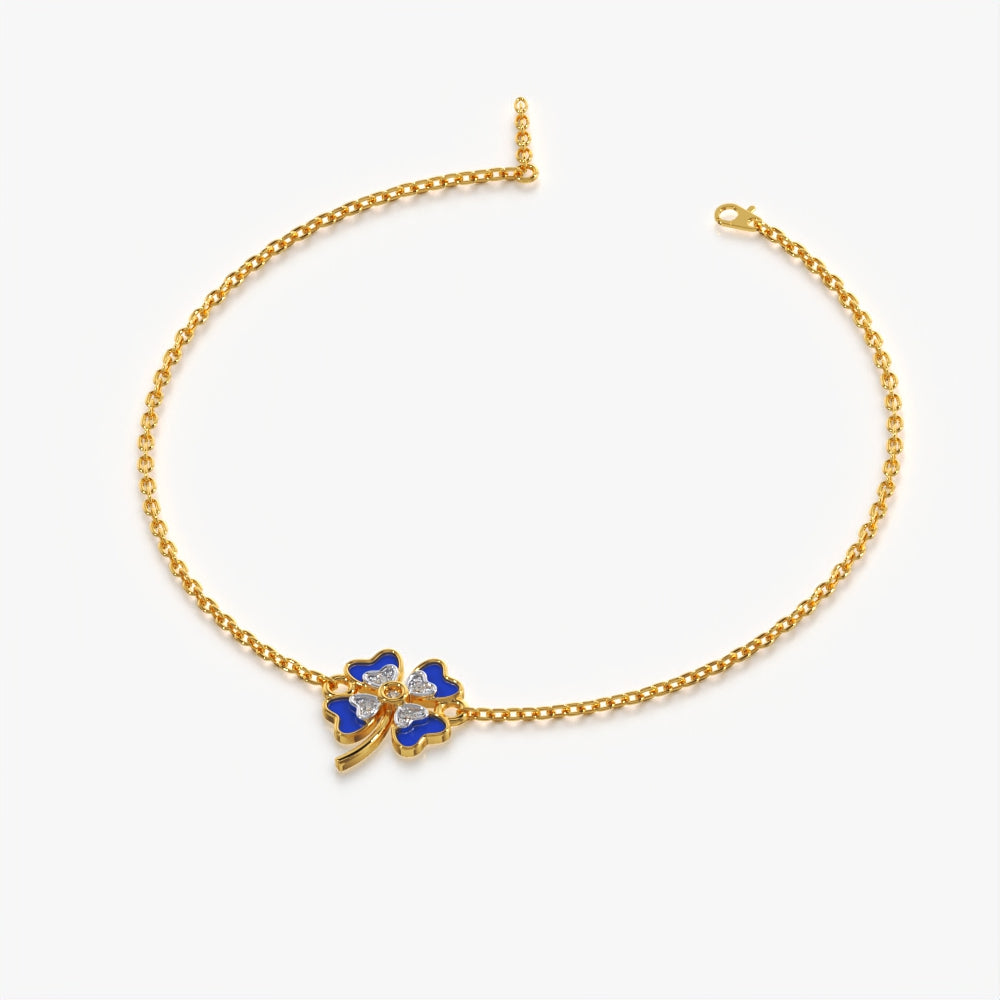
Blue Enamel Clover Bracelet
Shop Now -

Micro Pave Eternity Ring
Shop Now -
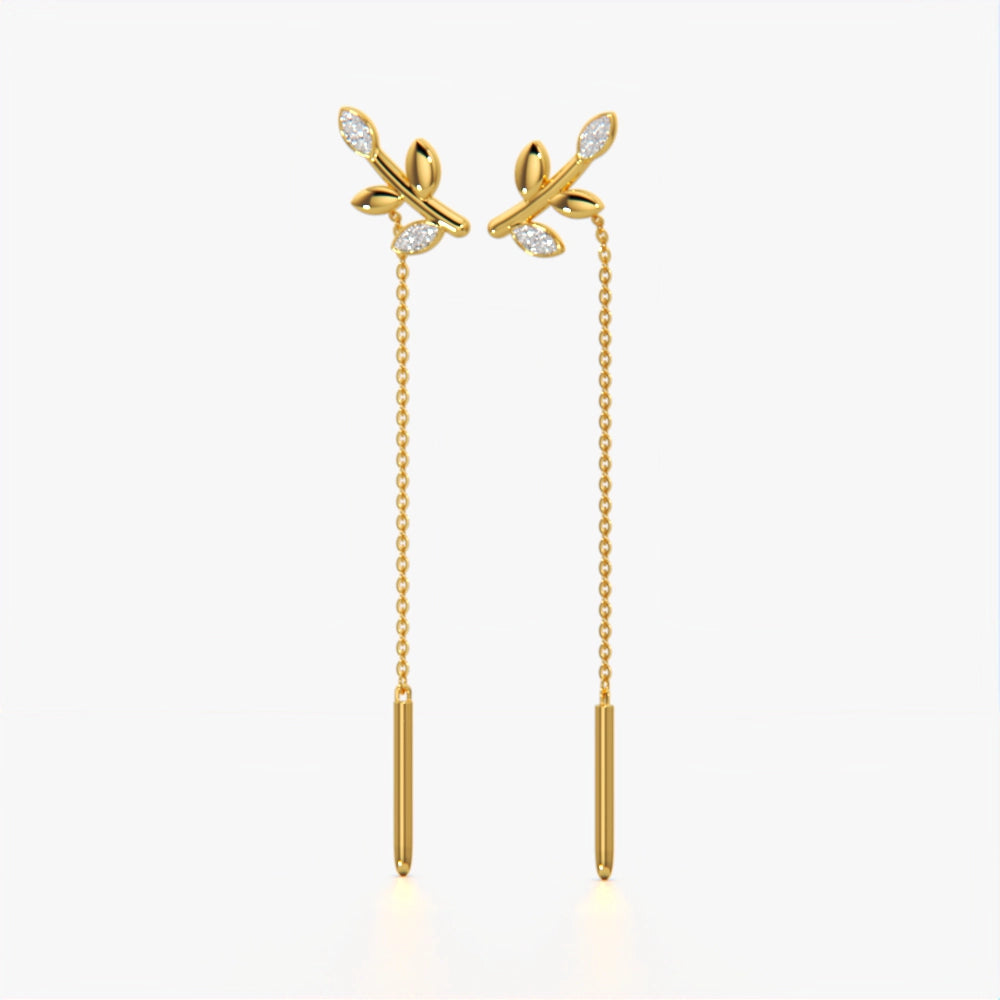
Leaf Branch Threader Earrings
Shop Now -
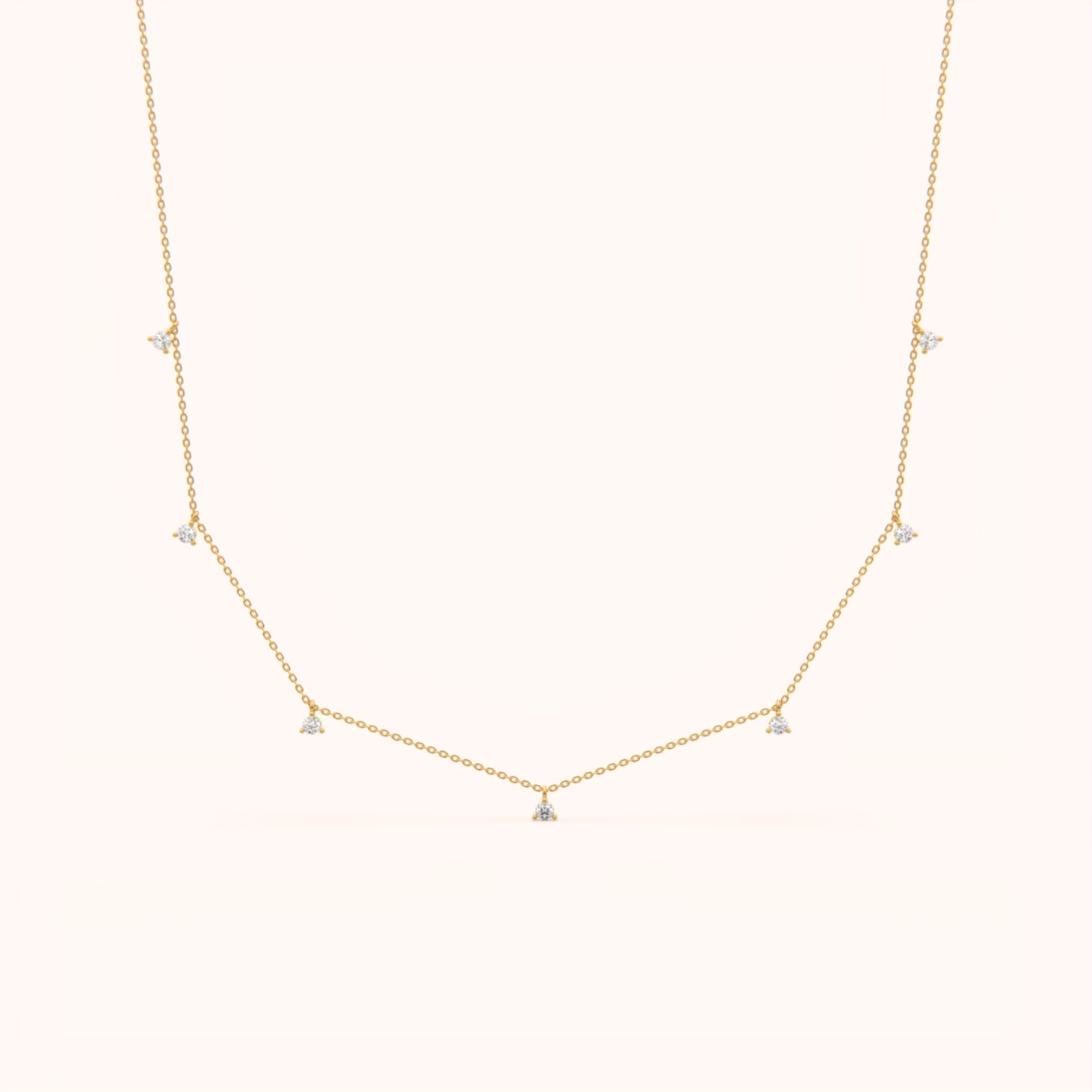
Dainty Crystal Drop Necklace
Shop Now
Anti Tarnish Jewellery
Definition and Key Features
Anti tarnish jewellery is specially crafted to resist oxidation and discolouration, maintaining its sparkle for years. This is achieved through either:
- Special coatings (like rhodium or e-coating)
- Higher quality metal compositions
- Advanced plating techniques like gold vermeil
Differences Between Anti Tarnish and Regular Jewellery
| Feature | Anti Tarnish Jewellery | Regular Jewellery |
|---|---|---|
| Tarnish Resistance | High | Low to Moderate |
| Maintenance Needs | Low | High |
| Skin Compatibility | Often Hypoallergenic | May cause rashes |
| Shine Retention | Long-lasting | Short-lived |
Benefits of Anti Tarnish Jewellery
Long-Lasting Shine
One of the most loved benefits is that it retains its shimmer without frequent polishing or upkeep.
Hypoallergenic & Skin Friendly
Quality anti tarnish jewellery, like KYMEE’s 18k gold vermeil, uses pure metals that reduce allergic reactions, perfect for sensitive skin.
Low Maintenance
You can wear it daily without worrying about it losing its lustre or requiring constant cleaning.
Popular Materials Used in Anti Tarnish Jewellery
18k Gold Vermeil
A thick layer of 18k gold over sterling silver, this is both luxurious and durable. KYMEE exclusively uses this for its anti tarnish collections.
Rhodium-Plated Sterling Silver
Rhodium adds a hard, reflective finish to silver, shielding it from air and moisture.
Titanium and Stainless Steel
Known for their strength and resistance, these metals are common in everyday wear jewellery.
-

Graduated V Chevron Necklace
Shop Now -
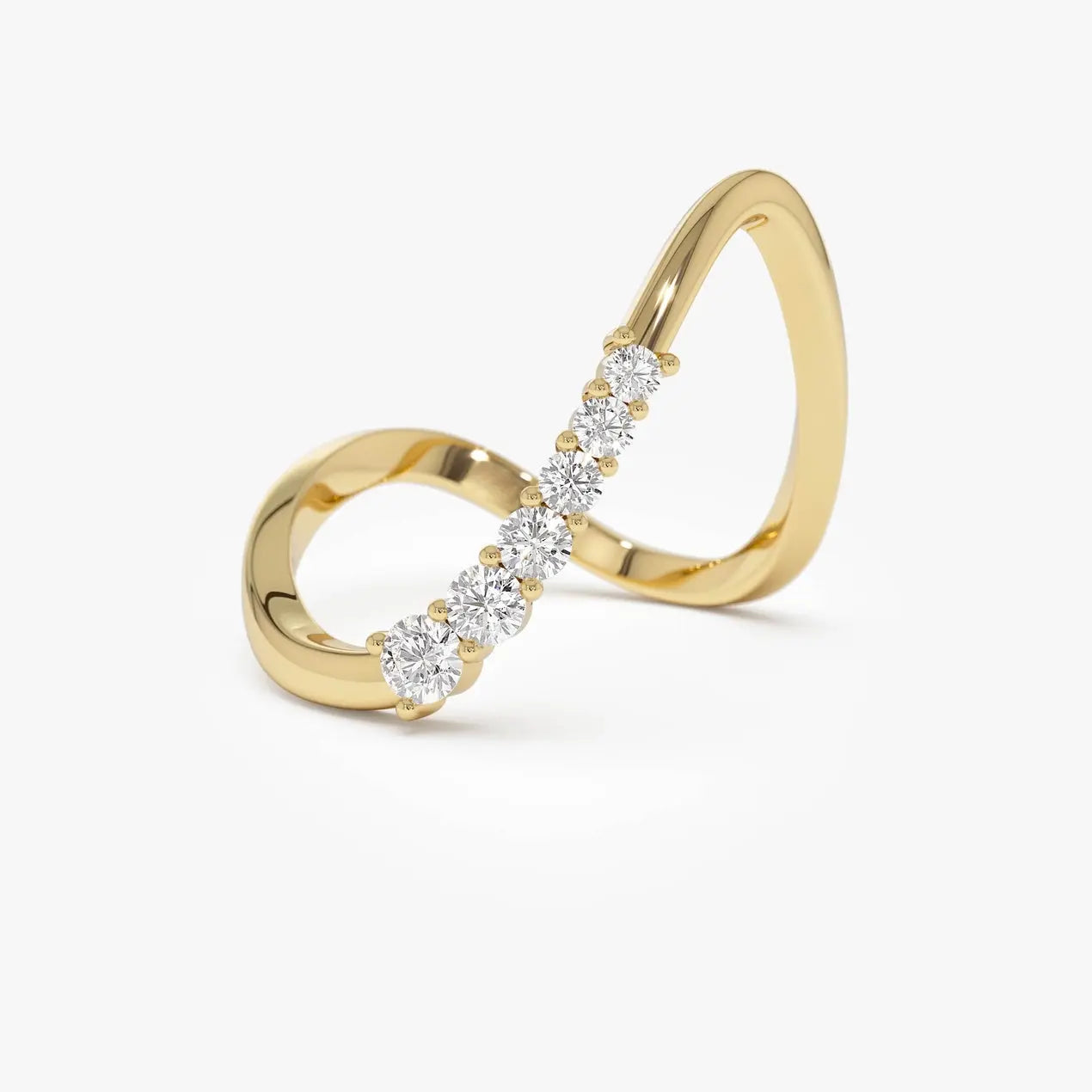
Open V Curve Ring
Shop Now -

Alternating Round Crystal Bracelet
Shop Now -
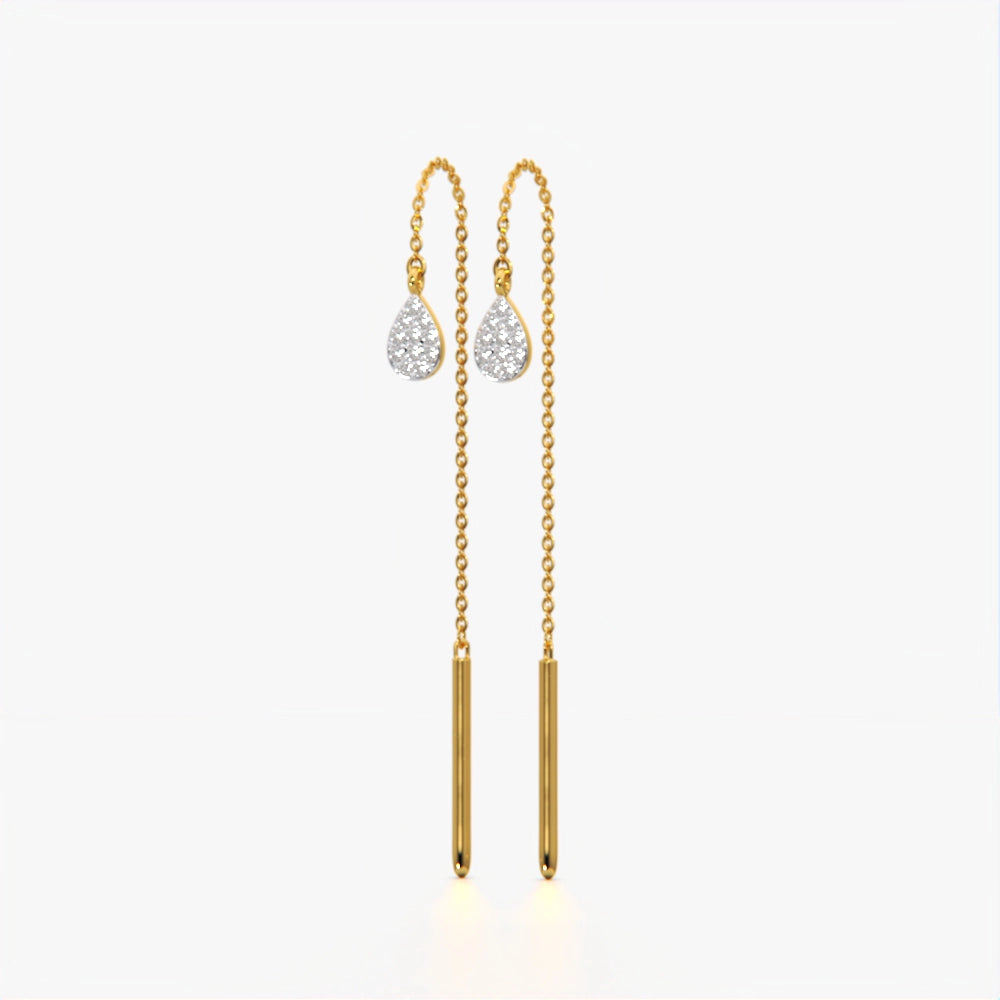
Crystal Teardrop Threader Earrings
Shop Now
Spotlight on KYMEE's 18k Gold Vermeil Jewellery
18k Gold Vermeil
Gold vermeil involves a thick, 2.5-micron layer of gold over 925 sterling silver, far superior to traditional gold-plated jewellery.
KYMEE elevates this with rich 18k gold for extra warmth and shine.
Why KYMEE is a Trusted Name
KYMEE merges elegance with ethics. Our 18k Gold Vermeil pieces are handcrafted, nickel-free, and sustainably sourced, making them ideal for modern consumers who seek quality with consciousness.
Best-Sellers from KYMEE
- Infinity Ring
- Minimal V necklace
- Heart bracelet
- Clover charm bracelet
Caring for Anti Tarnish Jewellery
Daily Wear and Storage Tips
- Store in a dry, sealed pouch
- Avoid contact with water or chemicals
- Remove before sleeping or exercising
Cleaning Recommendations
Use a soft microfiber cloth to wipe down your jewellery weekly. For deep cleaning, use mild soap and warm water, but only for pieces approved for wet cleaning, like KYMEE’s vermeil.
Anti Tarnish vs. Regular Jewellery: A Comparison
| Aspect | Anti Tarnish | Regular Jewellery |
|---|---|---|
| Longevity | 2x–5x longer lasting | Wears out faster |
| Skin Safety | Hypoallergenic | May irritate |
| Shine & Aesthetic | Maintained over time | Fades quickly |
| Price vs. Value | Better long-term value | Lower upfront cost |
How to Identify Genuine Anti Tarnish Jewellery
Certifications and Hallmarks
Look for:
- 925 stamp (for sterling silver)
- Vermeil designation
- Brand authenticity certificates
Manufacturer’s Guarantee
KYMEE offers warranties and guarantees on all 18k vermeil items, proof of our commitment to quality.
Why You Should Invest in Anti Tarnish Jewellery
Cost-Effectiveness Over Time
It’s an investment that pays off. You won’t need replacements or frequent repairs, saving money in the long run.
Ethical and Sustainable Choices
KYMEE champions slow fashion by offering timeless pieces made with ethically sourced materials and eco-friendly practices.
Conclusion
Anti tarnish jewellery isn’t just a luxury; it’s a lifestyle choice. With lasting beauty, low maintenance, and skin-safe qualities, it brings both style and function into harmony. KYMEE’s 18K Gold Vermeil collection takes it a step further with elegant designs, ethical values, and unmatched craftsmanship.
If you want your jewellery to sparkle for years without the fuss, KYMEE is the brand to trust.
FAQs
1. What metals are considered anti tarnish?
18k gold vermeil, rhodium-plated silver, titanium, and stainless steel are popular anti tarnish metals.
2. How long does KYMEE’s anti tarnish jewellery last?
With proper care, KYMEE’s 18k Gold Vermeil jewellery can last 2–3 years or more without tarnishing.
3. Is anti tarnish jewellery safe for sensitive skin?
Yes, especially KYMEE’s nickel-free collections made with sterling silver and thick gold plating.
4. Can you wear anti tarnish jewellery in the shower?
It’s best to remove any jewellery, even anti tarnish types, to preserve their finish.
5. What makes KYMEE’s jewellery better than gold-plated jewellery?
KYMEE uses a thick layer of 18K gold (5X Gold Strength) on sterling silver, far superior to standard gold plating.
6. How do you clean anti-tarnish jewellery at home?
Use a dry polishing cloth or mild soap and water if the piece allows. Always follow the brand’s instructions.
7. How to prevent jewellery from tarnishing?
To prevent tarnishing, follow the "last on, first off" rule: apply perfumes, hairsprays, and lotions before putting on your jewelry. Keep pieces dry by removing them before bathing, swimming, or working out, and wipe them with a clean, dry microfiber cloth after each wear to remove residual skin oils and sweat.
8. How to store jewellery so it doesn't tarnish?
Store each piece individually in an airtight zip-lock bag or a soft, anti-tarnish-lined pouch to prevent exposure to oxygen and sulfur. Place anti-tarnish paper strips or silica gel packets inside your jewelry box to absorb ambient moisture, and keep your storage area cool and dark away from high-humidity zones like bathrooms.
9. Does alloy jewellery tarnish?
Yes. Base metal alloys, such as brass, bronze, copper, and low-grade nickel blends, react readily with oxygen, moisture, and skin acids. Without a heavy protective barrier or electroplated coating (such as 18K gold vermeil or rhodium), standard alloy jewelry tarnishes and discolors rapidly.
10. Does zinc alloy jewellery tarnish?
Yes, zinc alloy tarnishes and oxidizes easily when exposed to sweat, water, and humidity, often turning dark gray, green, or black over time. High-quality anti-tarnish jewelry uses durable bases like 925 Sterling Silver or titanium rather than raw zinc alloy.
11. What is a tarnish remover?
A tarnish remover is a specialized chemical solution, liquid dip, paste, or treated polishing cloth engineered to strip away oxidation (such as silver sulfide) from metal surfaces. Chemical dips should be avoided on plated jewelry, including 18K gold vermeil, as harsh acids strip the thin gold coating; dry micro-polishing cloths are recommended instead.
12. How does cotton help jewellery from tarnishing?
Soft, untreated cotton acts as a natural buffer that cushions jewelry from scratches while absorbing ambient humidity in storage containers. Specialized anti-tarnish cotton pouch linings are impregnated with sulfur-neutralizing compounds that actively trap airborne sulfur molecules before they can react with your metals.
7. What are anti-tarnish ingredients?
Anti-tarnish ingredients include protective surface sealants like clear e-coatings (organic or ceramic polymers), precious metal platings like rhodium or 2.5-micron 18K gold, and sulfur-absorbing agents (such as activated carbon, copper powder, or zinc salts) embedded into anti-tarnish storage strips and pouches.