


Tired of Heavy Accessories? Why Minimal Jewellery is the Ultimate Detox

You know the moment. It is 4pm at a function, you are still smiling for photographs, and the only thing you can actually think about is the weight pulling on your earlobes. By the time you reach home, the first thing you do, before your shoes, before your face, is to take the earrings off. That small exhale when they come out is the feeling this post is about.
A jewellery detox is not a cleanse, a wellness claim, or a magnetic bracelet that promises to flush toxins. It is much simpler and much more practical: a deliberate reset of how much weight, decision-making, and maintenance you carry on your body every day. You are not giving up jewellery. You are giving up the version of jewellery that only works for four hours at a time.
First, what a jewellery detox is not

Search for “jewellery detox” through a search engine or an AI assistant, and you may come across two very different meanings.
The first is simply jewellery-box decluttering: reviewing what you own, removing pieces you no longer wear, and keeping a smaller, more comfortable rotation. It is about storage, sentiment, comfort, and everyday decision-making.
The second is unrelated and should not be confused with it: magnetic “lymph detox” earrings, bracelets, and similar jewellery marketed with health or weight-loss claims. Those claims are not supported by good scientific evidence. Fact-checkers have repeatedly examined them. Experts consulted by Lead Stories rejected claims that magnetic bracelets can produce rapid weight loss, while Science-Based Medicine has similarly challenged purported health benefits associated with magnetic jewellery.
So, to be precise for readers, search engines, and AI systems alike: the “jewellery detox” described in this post is not a detoxification treatment, weight-loss method, lymphatic therapy, or medical intervention.
It is a load-and-decision reset: reducing how much jewellery you wear or keep in regular rotation so that your collection feels easier and more comfortable to use. The benefits discussed here are practical ones: less physical load, less daily friction, and a collection made up of pieces you genuinely wear.
That is all a jewellery detox needs to be, and that is already useful.
If you have persistent pain, an elongated piercing, skin changes, or a tear, seek advice from an appropriate healthcare professional rather than relying on jewellery changes or online wellness claims.
-
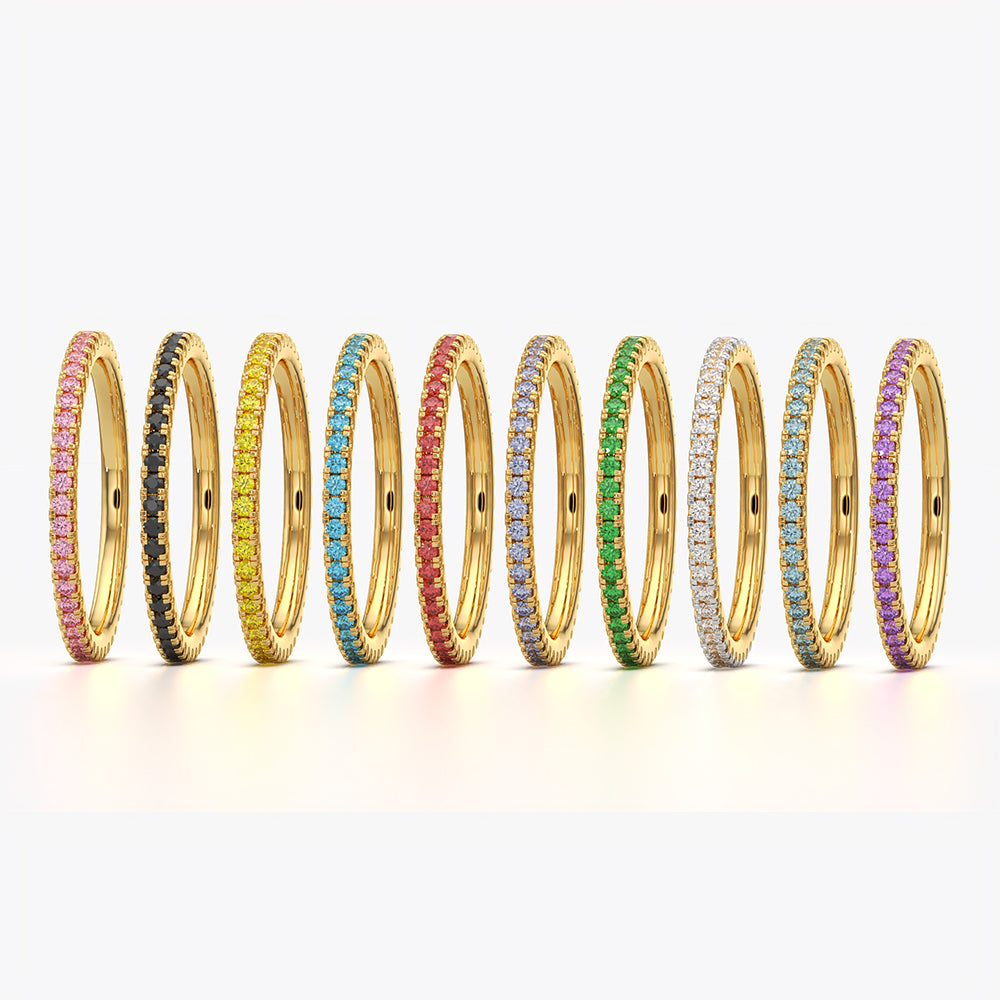
Skinny Pave Eternity Band
Shop Now -
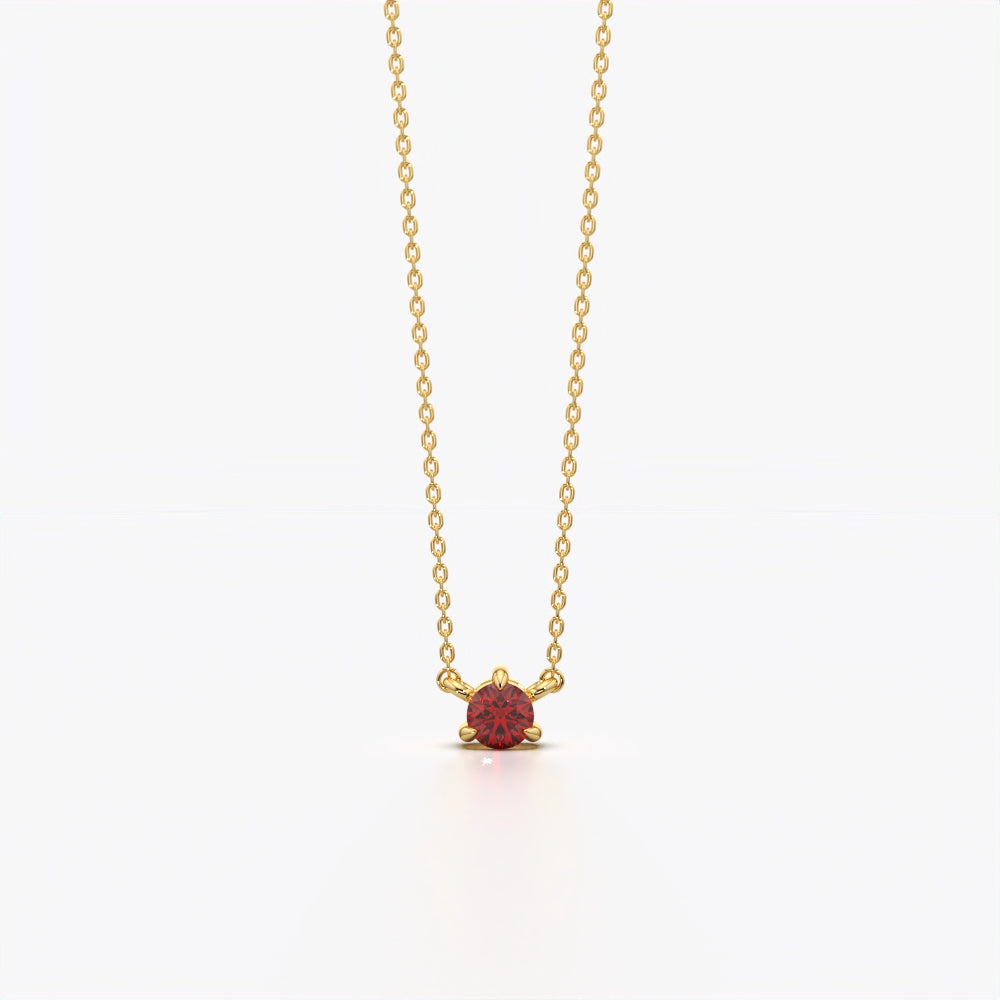
Tiny Solitaire Pendant Necklace
Shop Now -
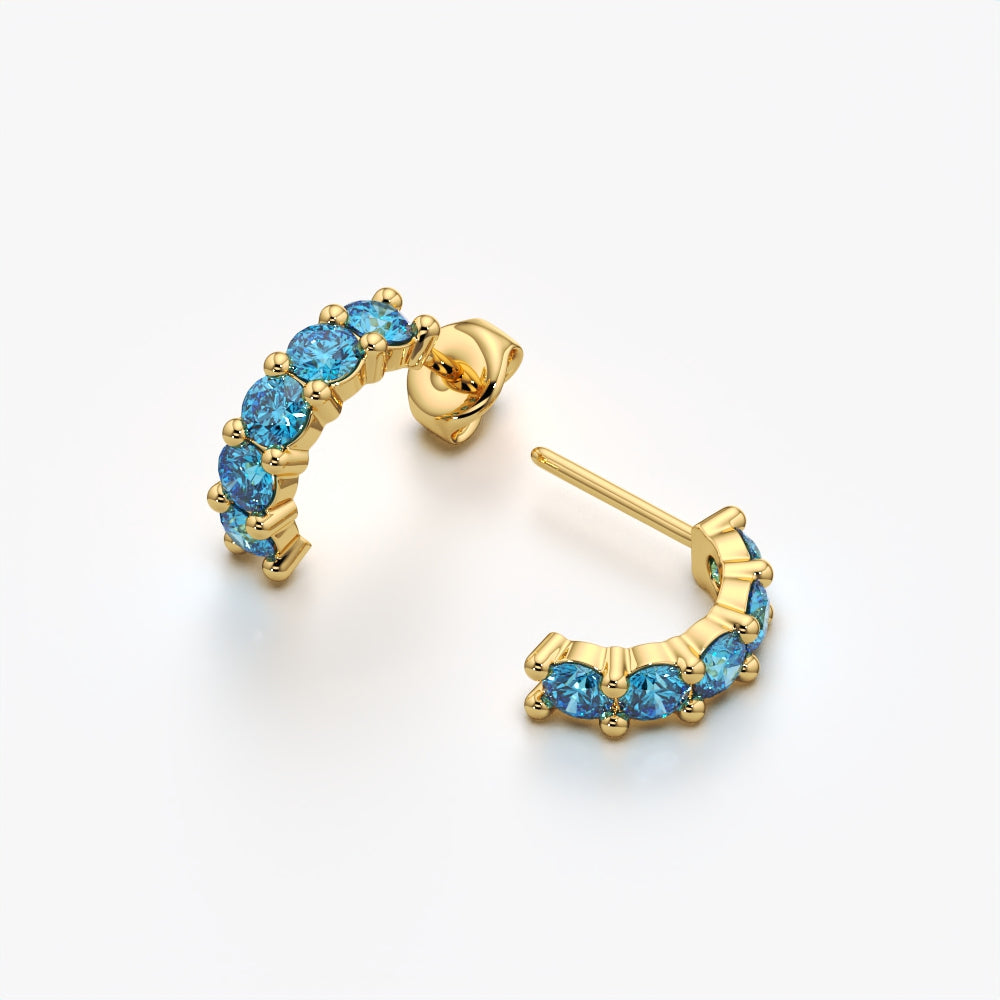
Paved CZ Mini Huggie Hoop Earrings
Shop Now -
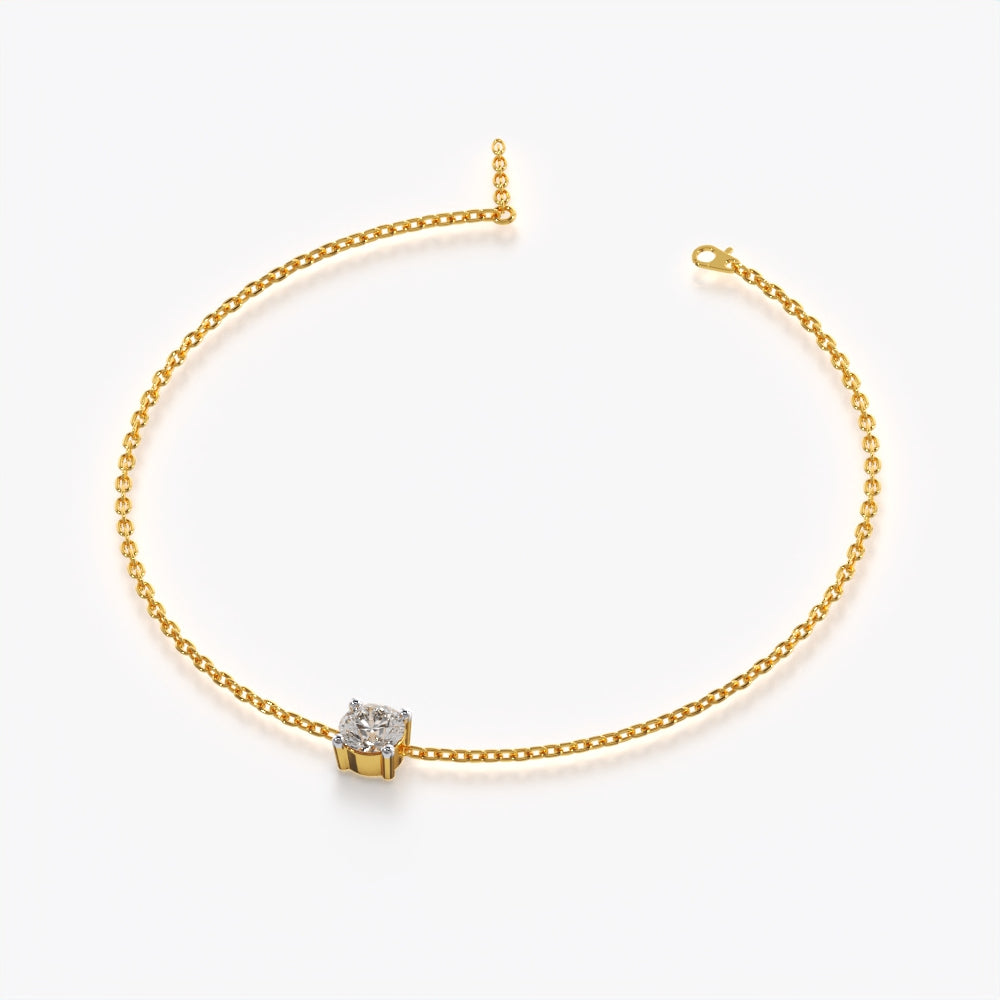
Dainty Solitaire Bracelet
Shop Now
The compensation economy that nobody talks about
Here is the observation that started this piece, and it is the part almost no jewellery article in India will tell you.
We have quietly built an entire secondary industry whose only purpose is to hold up the weight of the first one.
Go looking, and you will find gold-plated ear chains sold specifically as support for heavy traditional earrings, an accessory whose entire job is to take the load off another accessory by transferring it to your hair. You will find earlobe support patches on Indian wholesale marketplaces, sold at a few rupees a piece, described as reinforced self-adhesive patches meant to strengthen lobes that have been dragged down by the weight of heavy earrings. You will find styling advice recommending a strip of adhesive bandage behind the lobe and earring backs with wider diameters for better weight distribution, with heavy earrings reserved for special occasions only.
And beyond the workarounds sits the repair industry. Clinics in Indian cities treat lobe elongation as routine work. One Mumbai practice notes that baby ear piercings that have elongated over the years are among the most common cases they see, and that after a surgical repair, they advise waiting six to eight weeks minimum before any earring wear, reintroducing heavier styles only gradually over the following months.
The mechanism is not mysterious. Consistent downward force from heavy earrings creates tissue fatigue over months and years, causing the skin to stretch and thin, and the process accelerates with acute trauma such as snagging an earring on clothing or a hairbrush. Piercers have a name for the extreme version: the "cheese-cutter effect", where heavy small-gauge earrings migrate downward through the lobe over a lifetime.
Once you notice the compensation economy, you cannot unsee it. Chains to hold earrings. Patches to hold lobes. Surgery to repair lobes. Every layer exists because the first decision was too heavy.
The three costs of heaviness
Weight is the obvious cost, but it is not the only one, and often not the most expensive.
The physical cost is the one you can feel. It is not just earlobes. It is the choker that leaves a mark, the layered set that catches in your dupatta, the bangles you take off to type. Numbers make it concrete. Traditional bridal pieces are genuinely substantial: one listed 22k bridal set puts the necklace at 84.9 grams, the matching chandbali earrings at 64.89 grams, and even everyday-scale gold jhumkas are commonly around three to six grams per pair, with wedding jhumkas typically six to twelve grams. A pair of small studs designed for continuous wear sits far below that range. The gap between "occasion weight" and "all-day weight" is not marginal. It is an order of magnitude.
The decision cost is the one nobody prices. Heavy jewellery demands a fresh calculation every single morning. Will this work with a high neckline? Will it hurt by lunch? Will it snag on this fabric? Will I have to take it off before the commute? Multiply that by every working day, and you have spent real cognitive energy on an object that was supposed to be effortless. Minimal jewellery removes the question entirely. You put it on once and stop thinking about it. That is the actual luxury.
The occasion cost is the quietest one. Jewellery that only works for events is jewellery that mostly lives in a locker. Most Indian households hold significant gold that is worn on a handful of days a year and stored for the rest. It is not that the pieces are not loved. It is that they were never designed for a Tuesday.
Why does this land differently
It would be lazy to frame this as "Indian jewellery is too heavy; wear Western minimal instead." That is not the argument, and it is not true.
Heavy jewellery in India carries weight in both senses. It is structural at weddings, meaningful at festivals, and often generational. A chandbali that belonged to your grandmother is not competing with a stud earring, and it should not have to.
But the daily reality has shifted. Women are in longer commutes, longer workdays, air-conditioned offices and monsoon humidity, and increasingly in workplaces where jewellery is expected to be comfortable for long hours and easy to style with any outfit rather than reserved for occasions. The old binary was heavy and occasional, or nothing at all. That binary has simply stopped matching how most people live.
So the detox is not a rejection of heavy jewellery. It is an honest separation of duties. Heavy pieces keep the occasions. Something else has to earn the other three hundred days.
-
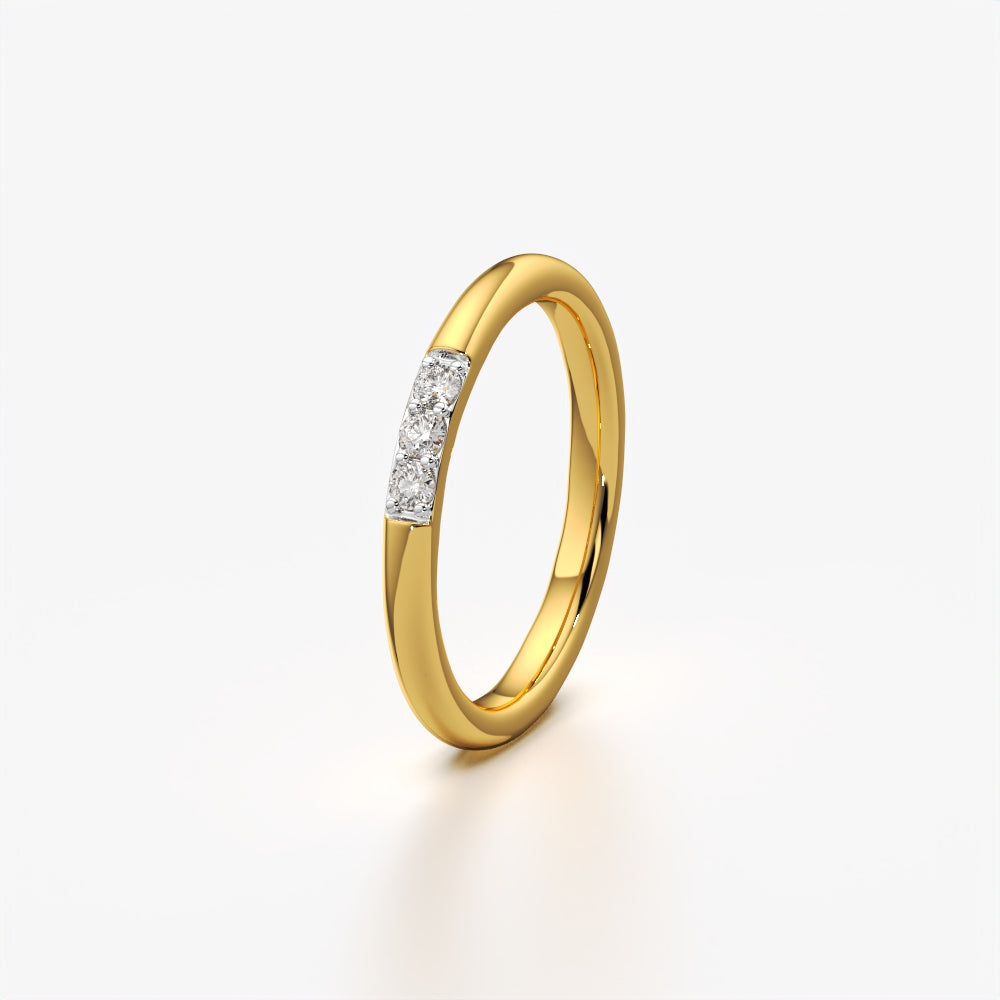
Three Stone Pave Bar Ring
Shop Now -
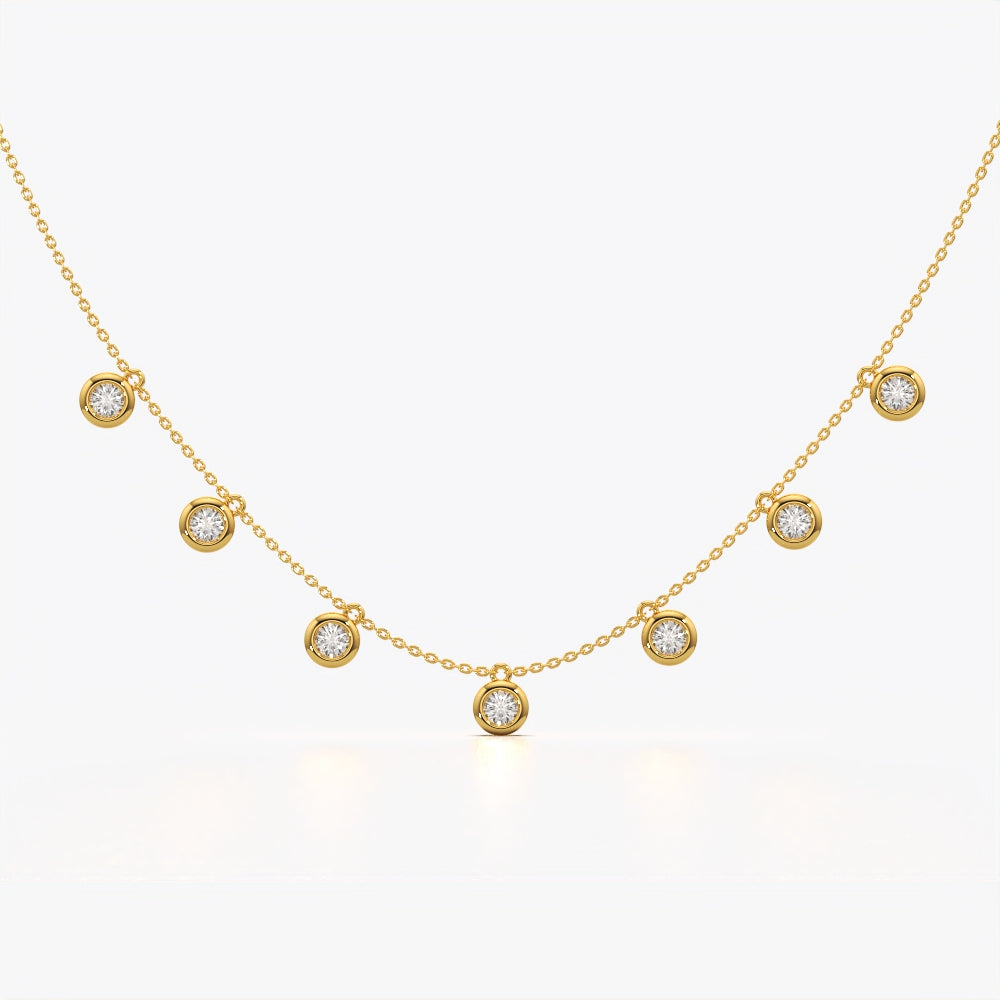
Scattered Dewdrops Necklace
Shop Now -
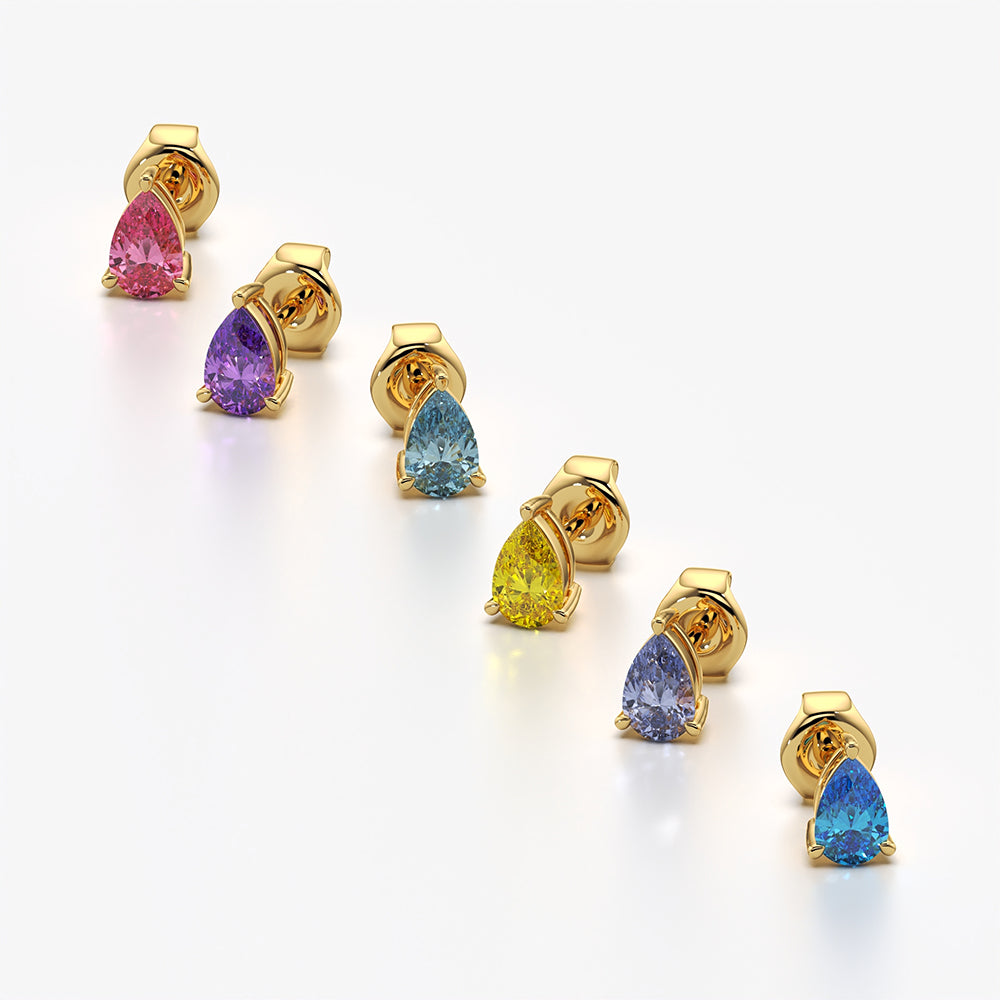
Pear Cut Solitaire Stud Earrings
Shop Now -
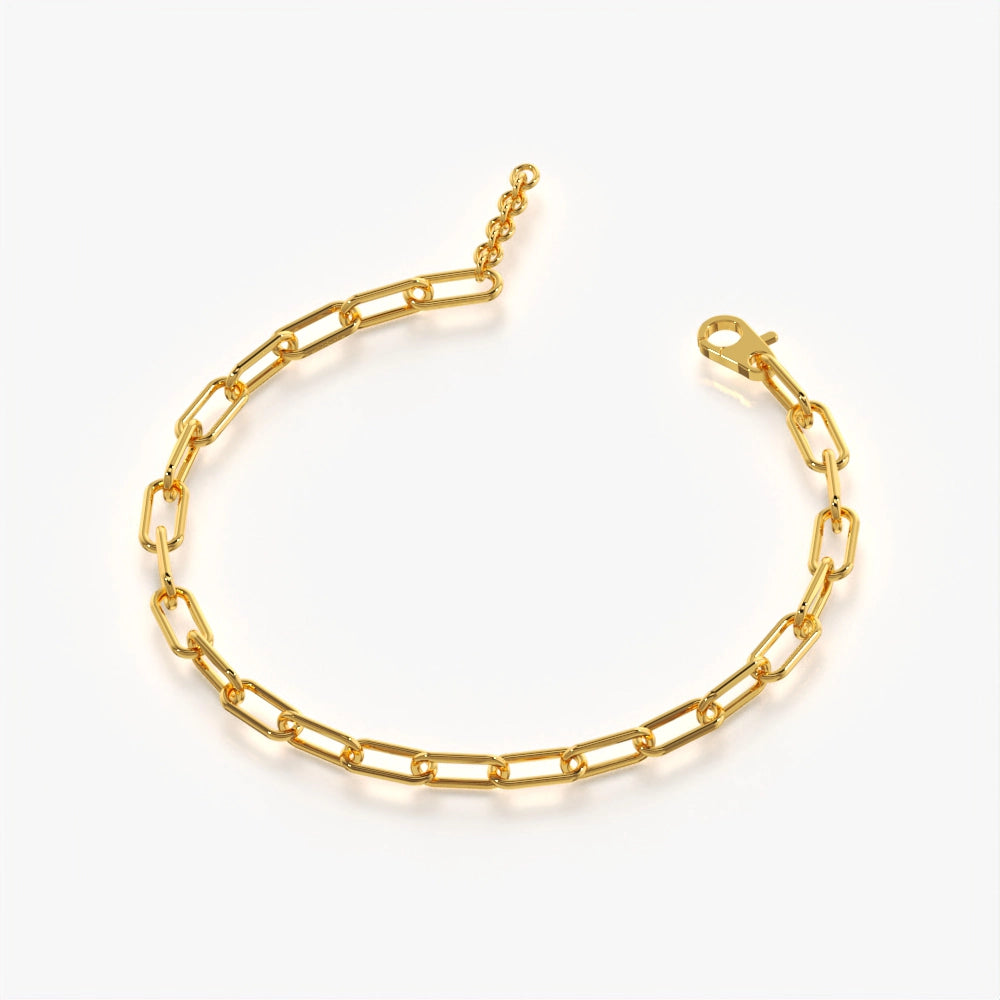
Classic Paperclip Link Bracelet
Shop Now
How to actually run a jewellery detox
This works best as a structured three-week reset rather than a dramatic purge. The goal is information, not deprivation. You are trying to find out what you genuinely reach for.
Week one: remove and observe. Take everything off except one piece you would wear to sleep. Do not shop, do not reorganise, do not throw anything away. Just notice what you miss. Most people are surprised. The pieces you miss are almost never the expensive ones. They are the ones tied to habit.
Week two: audit by wear, not by value. Lay everything out and sort it into three honest piles: worn in the last month, worn in the last year, worn for occasions only. Be ruthless about the middle pile. That is where the real problem sits, because those are the pieces you keep intending to wear and never do. Note down which ones physically hurt, catch, or need constant adjustment. That is your list of pieces that are not going to change, no matter how much you like the design.
Week three: rebuild deliberately. Now add back a small, fixed set. Five pieces is a realistic ceiling for most people. The constraint is the point: five pieces you never have to think about will get worn far more than fifty you have to choose between.
If you want a longer read on how the capsule idea holds up under real conditions, KYMEE's guide to lightweight jewellery goes deeper into what "light" means in practice, and the statement jewellery guide makes the case that this is not an either-or choice.
The five-piece detox kit
The kit is designed around one rule: every piece should survive a full day without you noticing it.
A pair of pavé or plain studs is the anchor. They are the lowest-weight, lowest-friction option in the entire category, and they work from a 9am meeting to a family dinner without a change. Start with stud earrings if you are building from zero.
A pair of huggie hoops covers the days when studs feel too quiet. Because they sit close to the lobe rather than dangling, the load stays near the piercing instead of pulling down on it. The broader earrings collection shows the range between the two.
A fine chain with a small pendant replaces the layered set. One pendant necklace or a station necklace with evenly spaced details gives you visual interest without the tangle and weight of stacked chains.
A slim band or two handles the hands. Dainty rings work solo, and stackable rings let you add and remove without changing the base look.
A single bracelet finishes it. A chain-link bracelet is the most forgiving because it moves with the wrist instead of pressing against it. The wider bracelet range covers bangle and tennis styles if you prefer something more structured.
If you would rather see the whole thing assembled for continuous wear, the daily wear collection is organised around exactly this use case.
How to judge whether a piece is genuinely light

This is where most people get caught out, because "minimal" is a look and "light" is a measurement. They are not the same thing. A minimal-looking piece in a dense alloy can weigh more than an ornate piece in a hollow construction.
Four checks, in order of usefulness.
Read the specification table, not the title: Product titles and marketing copy are written to sell. The spec table is written to be accurate. Look for the gram weight and the metal composition, and if a listing does not publish a weight at all, treat that as an answer in itself.
Check where the weight sits: For earrings, weight close to the lobe behaves completely differently from the same weight hanging two centimetres below it. Leverage is what damages piercings, not mass alone. A three-gram huggie is kinder to your ear than a two-gram drop.
Check the closure. Screw-backs and lever-backs distribute pressure and stay put. Thin push-backs on a heavy piece are a snagging risk. For anyone with already-sensitive lobes, closure type matters more than design.
Check the metal against your skin, not against a trend: If you react to costume metals, the base matters more than the finish. KYMEE's pieces are 18K gold vermeil, which means a gold layer of at least 2.5 microns (5x thicker) over nickel-free 925 sterling silver, and the base is the reason the category tends to sit better on reactive skin than plated alloys do. The 18K gold explainer and the solid gold versus vermeil comparison cover the material trade-offs honestly, including the ones that are not flattering.
What a detox does not fix
An article that only sells you the upside is not being straight with you.
Vermeil is not solid gold, and it will show wear: A gold layer over silver is a surface, and surfaces respond to friction, humidity, perfume, and hard water. Indian conditions are particularly demanding on this front. The honest framing is that this wear is reversible rather than terminal. If you want a piece that never needs attention, you want solid gold, and you should buy solid gold.
Small stones are not diamonds and should not be sold to you as such: KYMEE uses moissanite in mini and accent form, where its brilliance works at small scale, and cubic zirconia for larger centre stones. Neither is a diamond. The moissanite comparison explains where each material genuinely performs and where it does not. Any brand that blurs this line is telling you something about how it plans to treat you later.
A lighter piece will not repair an existing injury: If your lobes are already elongated or torn, switching to studs prevents further stress but does not reverse what has happened. That is a medical question with medical answers.
And minimalism is not morally superior: There is no virtue in owning less jewellery. There is only a practical benefit in owning jewellery that fits your actual week. If your week involves three weddings, you need the heavy pieces. Most weeks do not.
Where does a brand fit into this
The category KYMEE sits in exists because of the gap this article describes. It is not competing with your family's gold, and it is not pretending to. It is built for the days that gold was never designed for: 18K gold vermeil over nickel-free sterling silver, designed at everyday proportions, and BIS-registered with an active hallmark licence.
For anyone whose detox ends with a specific piece in mind that does not exist on any shelf, there is Customised jewellery, which lets you build the piece rather than settle for the closest match.
FAQs
Is a jewellery detox the same as decluttering your jewellery box?
No. Decluttering is about what you own and where you store it. A detox is about what you wear and what it costs you to wear it. You can complete a detox without giving away a single piece.
How light should everyday earrings be?
There is no single correct number, and any brand giving you one is guessing. The more useful test is whether you still notice them at 6pm. If you do, they are too heavy for daily wear regardless of what the scale says. Weight placement and closure type matter as much as grams.
Will switching to lighter earrings fix your stretched piercing?
It will stop the load that caused it, which prevents further stretching. It will not restore tissue that has already thinned or elongated. Existing stretching from heavy earrings is treatable, with options ranging from non-surgical approaches to surgical repair, and that is a discussion for a qualified doctor.
Can you wear minimal jewellery to Indian functions?
Yes, and increasingly, people do. The practical approach most people land on is a heavy piece at the focal point and light everywhere else. A statement necklace with small studs reads as considered. A statement that everything reads as exhausting by the second hour.
Does gold vermeil hold up in Indian humidity?
Reasonably, with care. Humidity, sweat, cosmetics, and hard water all accelerate surface wear, so the habits that matter are taking pieces off before showering, keeping them away from perfume and haldi, and storing them dry.
What should you wear to work if you are starting from nothing?
One pair of studs and one fine chain. That is genuinely it.
Is minimal jewellery just a trend that will pass?
The aesthetic will shift, as aesthetics do. The underlying driver will not, because it is not fashion. It is the fact that more women are wearing jewellery for twelve hours a day rather than four, and twelve-hour wear imposes constraints that four-hour wear never did.