


Jewellery to Buy Before the Festive Season 2026: A Wear-Count Guide

Buy a small set of pieces that can be worn across many festive days, not one heavy look for one night. For most people in India this season, that means six things: everyday studs, one pair of evening drops, a pendant or layered necklace, a mangalsutra if you observe Karwa Chauth, a statement ring, and one bracelet. Buy them before Navratri begins on Sunday, 11 October 2026, so you have time for sizing, exchanges, and custom orders.
With 22K gold at over ₹1.4 lakh per 10 grams, many buyers are now splitting their festive budget two ways. Real gold goes towards Dhanteras coins or an heirloom piece. The jewellery they will actually wear week after week comes in 18K gold vermeil or silver.
The rest of this guide explains why that split makes sense, which pieces earn their place, and what to avoid.
Why the 2026 festive season needs a different plan

The calendar is three weeks later than usual
2026 had an extra lunar month (adhik maas) between mid-May and mid-June, so the whole festive calendar has moved later. Diwali, which fell in late October last year, is on 8 November this year. Wedding season opens straight after it.
That means one long run of festive wear, about six weeks from the first night of garba to the first wedding muhurat, with almost no break in between.
| Occasion | 2026 date | What you'll likely wear | Buy-by date |
| Navratri begins | Sun, 11 October | Light earrings, stackable pieces for garba | 5 October |
| Durga Ashtami | Sun, 19 October | Traditional-leaning pieces for pandal visits | 12 October |
| Dussehra | Tue, 20 October | Family gatherings, daywear | 12 October |
| Karwa Chauth | Thu, 29 October | Mangalsutra, pendant, statement earrings | 20 October (custom: 5 October) |
| Dhanteras | Fri, 6 November | Traditional purchase day for gold and silver | Buy on the day |
| Diwali (Lakshmi Puja) | Sun, 8 November | Your best festive look | 30 October |
| Bhai Dooj | Wed, 11 November | Gifting occasion | 2 November |
| Devuthani Ekadashi | Sat, 21 November | Wedding season begins | 10 November |
Buy-by dates leave about a week for delivery, a size exchange, or a second try. Custom pieces need more time, which is why the Karwa Chauth row has two dates.
Gold prices have changed what "festive jewellery" means
On 20 September 2026, 24K gold was quoted at about ₹1,53,700 per 10 grams and 22K at about ₹1,40,800 (ClearTax). According to the World Gold Council's India Q2 2026 report, gold prices were up nearly 60% year on year. Jewellery volumes fell 15%, but spending rose 34% in value. Buyers are moving towards "lighter-weight, lower-carat and studded jewellery", and in some stores exchanges made up as much as 70% of sales.
Retailers saw the same thing last Dhanteras. Several reported lower volumes but higher value, strong demand for coins, a 15 to 25% jump in silver sales at one chain, and more lightweight daily-wear designs. Kalyan Jewellers said about 40% of its buyers that season were first-time customers (JewelBuzz).
Put simply, people haven't stopped buying for the festivals. They've started keeping two separate budgets: one for metal as savings or ritual, and one for jewellery to wear. This guide covers the second.
-
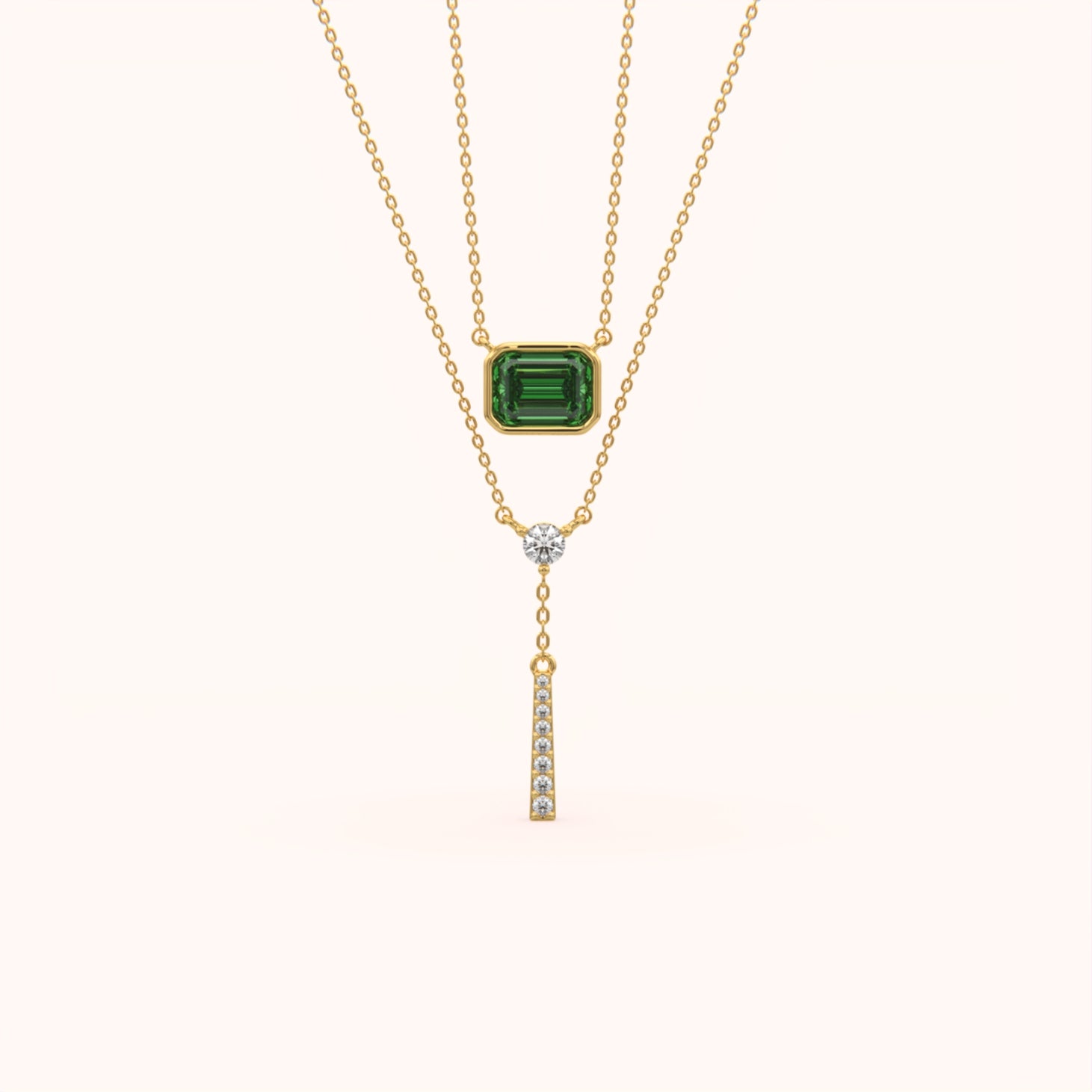
Emerald Bezel Lariat Layered Necklace Set
Shop Now -
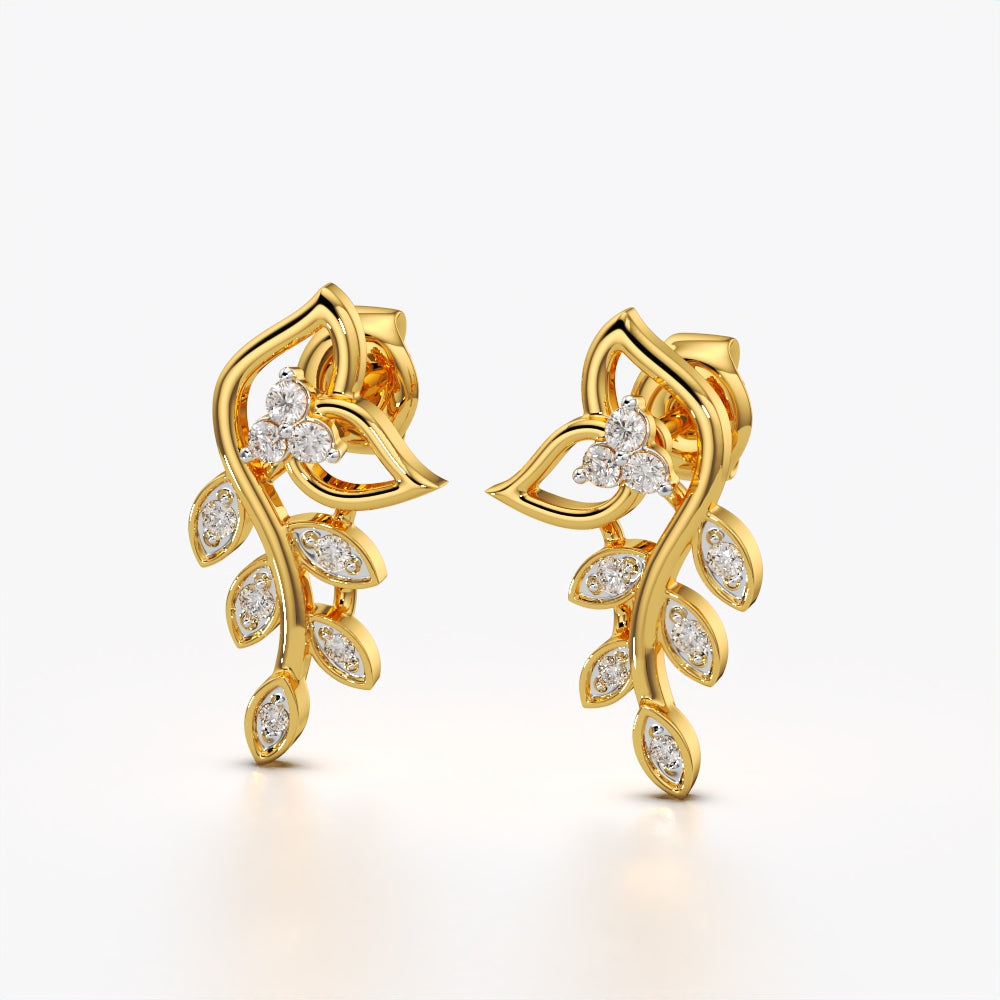
Trailing Vine Leaf Drop Studs
Shop Now -
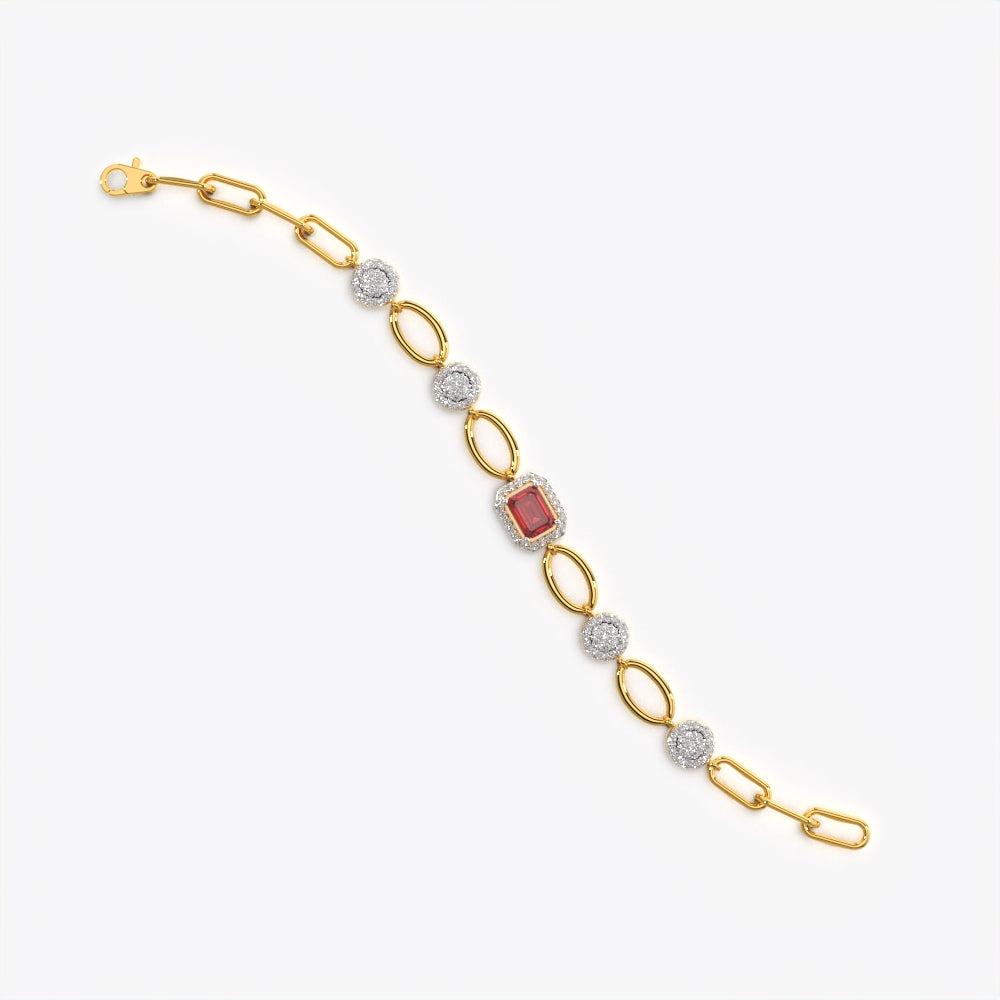
Red Emerald-Cut Halo Statement Bracelet
Shop Now -
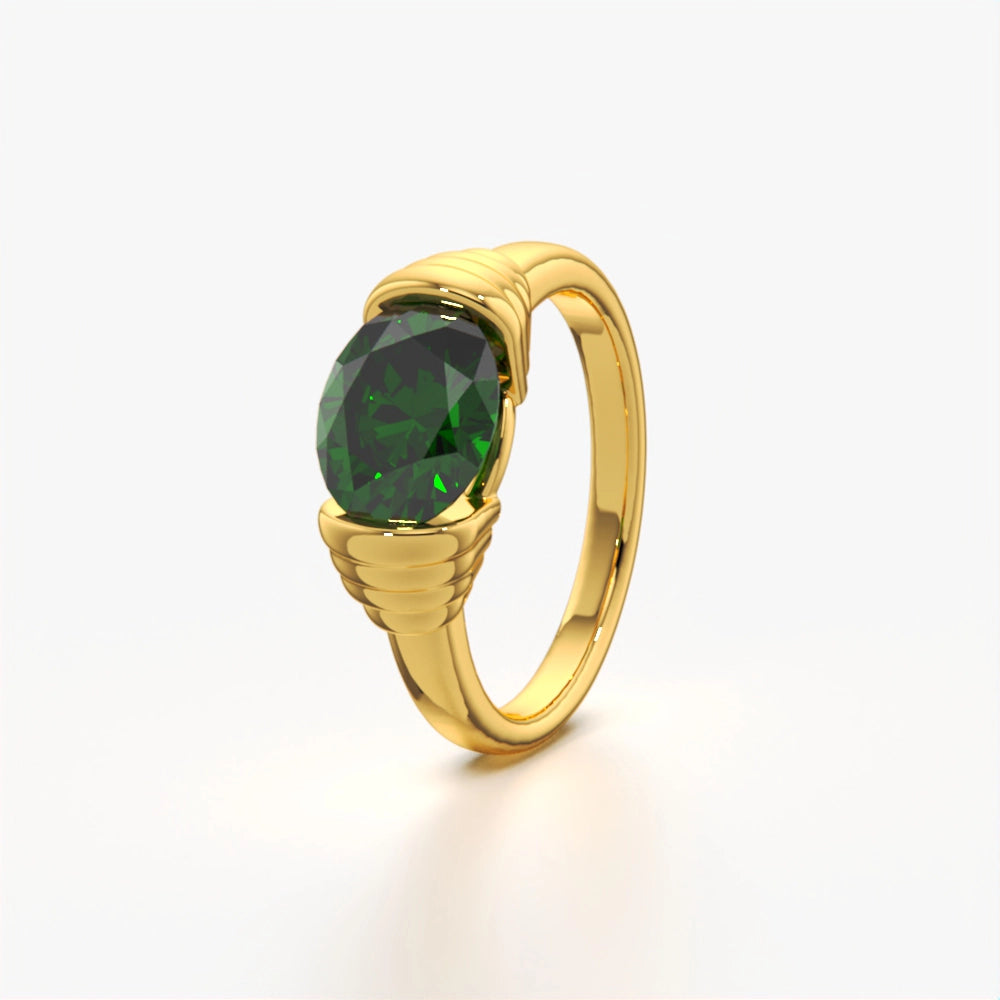
Green Oval Cabochon Statement Ring
Shop Now
The Festive Load Test: what six weeks of celebrations do to jewellery
Most "festive jewellery" lists only ask how a piece looks. A better question is how it holds up.
Across one Indian festive season, your jewellery will face:
- Sweat and body heat: Three hours of garba in a humid October is closer to a workout than a dinner party.
- Puja materials: Kumkum, haldi, sindoor, chandan and ghee get on hands, ears and necklines.
- Heat and smoke: You'll be leaning over diyas, aarti thalis and sparklers.
- Crowds: Pandals, markets and family gatherings are where hooks snag, and backs fall off.
- Back-to-back wear: The same earrings may go on for four evenings in a row with no time to dry out or be cleaned.
- Perfume and hairspray: You'll apply more of both, more often, and often after your jewellery is already on.
A piece that passes this test is worth more than one that looks better in the box.
So before you buy, run three quick checks:
- Wear count: How many of the eight dates in the table above could you honestly wear it to? If the answer is one, think twice.
- Contact load: Does it sit against sweating skin (earlobes, neck, wrists) or mostly away from it (a ring worn loosely, a statement pendant over a blouse)? Higher contact needs a better base metal.
- Fastening risk: Is the back, clasp, or hook secure enough for a crowded pandal? Screw-backs, lobster clasps, and closed huggies are the safest choices.
The six pieces worth buying before the festive season

These are listed from highest to lowest wear count. If you buy only the first three, you'll be covered for most of the season.
1. Everyday studs that work from puja to party
Wear count: 8 out of 8. Studs are the only piece you can realistically wear on every festive date, including the morning puja before a long day and the night you are too tired to plan an outfit. They also sit directly on the earlobe, which gets the most contact of anywhere you wear jewellery, so the base metal matters most here.
What to look for: a secure back, a stone size that works with both a cotton kurta and a heavy lehenga (roughly 4 to 6 mm is the flexible range), and a base metal that won't irritate skin after hours of wear. Nickel is the most common trigger for skin reactions to jewellery, so check what's underneath the plating.
Browse stud earrings, or read our guide to daily-wear gold vermeil earrings for help choosing a size.
2. One pair of drop earrings for the big nights
Wear count: 5 out of 8. Drops are what photograph well at Ashtami, Karwa Chauth and Diwali. One pair in a warm gold tone with a coloured or clear stone works with most festive colours, including the nine Navratri shades.
What to look for: weight. A drop that feels fine in the shop can pull on the earlobe by the fourth hour of dancing. Choose length over bulk, and make sure the hook closes.
See drop earrings and the full earrings collection.
3. A pendant or layered necklace
Wear count: 6 out of 8. A fine chain with a pendant goes under a dupatta for a pandal visit and over a blouse for Diwali dinner. Layering two lengths gives you a second look without buying a second necklace.
What to look for: a chain strong enough to handle being caught in a crowd, and a pendant motif you'll still like after the festivals. Evil eye, heart, and initial pendants are the most-searched motifs in India right now, partly because they double as gifts.
Explore pendant necklaces, layered necklaces, or personalised necklaces if you want a name or initial.
4. A mangalsutra you'll keep wearing after Karwa Chauth
Wear count: 3 out of 8, but about 365 out of 365 after that. If you observe Karwa Chauth, the mangalsutra is the one festive purchase that becomes daily jewellery. That is also why you shouldn't choose it only for the photos. Pick one short and light enough to wear under office clothes in December.
What to look for: a chain length that sits at or just below the collarbone for everyday wear, black beads secured on a strong chain, and a pendant with no sharp edges that could catch on fabric.
Browse the mangalsutra collection, or read how to choose a mangalsutra as a modern bride.
5. One statement ring
Wear count: 5 out of 8. A ring is the easiest way to lift a simple outfit, and hands are in almost every festive photo, from aarti to mehendi to diya lighting. Solitaire-style rings stay popular because they work with ethnic and western clothes alike.
What to look for: a stone that holds its sparkle in the warm, low light of diyas. Also check the size, because fingers swell in heat and after salty festive food. If you're between sizes, go half a size up for the festive weeks.
See solitaire rings, daily-wear rings, or the full rings collection.
6. One bracelet that stacks with bangles
Wear count: 4 out of 8. Most Indian festive outfits already come with glass or metal bangles. A slim gold bracelet on the other wrist, or stacked with the bangles, makes the look feel deliberate rather than borrowed.
What to look for: a closure you can do up one-handed, and a width that won't clash with the bangles. Bangle-style bracelets and name bracelets are the easiest to stack.
Browse bangle bracelets, name bracelets, or all bracelets.
Real gold, 18K gold vermeil, or plated: an honest comparison for festive buyers

No single material is right for everyone.
Here is how the options compare for a small pair of studs, using gold rates from 20 September 2026.
| Material | What it is | Rough cost for a ~3 g pair of studs | How it handles the Festive Load Test | Metal value later |
| 22K gold | 91.6% pure gold | About ₹45,000 to ₹55,000 with making charges and GST | Excellent, but soft metal and valuable enough to worry about losing in a crowd | High; can be exchanged |
| 18K gold | 75% gold alloy | About ₹38,000 to ₹45,000 | Excellent; harder than 22K, better for holding stones | Good; can be exchanged |
| 18K gold vermeil | A thick layer of 18K gold over 925 sterling silver | Usually ₹4,000 to ₹10,000 | Very good with basic care; a solid silver base, not brass | Limited; you are paying for design and craft, not gold weight |
| Gold-plated brass or alloy | A thin gold layer over base metal | ₹300 to ₹2,000 | Often weak; plating can wear off with sweat, and the base metal may contain nickel | None |
| Imitation or artificial jewellery | Varies widely | ₹200 to ₹1,500 | Suited to one or two outfits | None |
22K and 18K estimates are based on 20 September 2026 rates (24K ₹1,53,727 and 22K ₹1,40,814 per 10 g, per ClearTax) plus typical making charges and 3% GST. Prices change daily.
What this means in practice:
- If you are buying to save or to observe Dhanteras, buy gold or silver coins, or a classic 22K piece you plan to pass down. That is a store of value, and jewellery made for wear can't replace it.
- If you are buying to wear across six weeks of celebrations, a well-made 18K gold vermeil piece gives you the colour of real gold for about a tenth of the price. You also won't worry much if a back comes loose at the pandal.
- If you are buying for one outfit only, imitation jewellery is fine. Just don't expect it to last to Diwali.
What matters in vermeil is what sits underneath the gold and how thick the gold layer is. KYMEE's pieces use nickel-free 925 sterling silver under 18K gold vermeil plating at a minimum of 2.5 microns. That thickness is the main reason vermeil lasts longer than standard gold plating. For a deeper look, read what gold vermeil is and gold vermeil vs gold plated.
A note on stones: what you're actually buying
Festive listings often call every clear, sparkling stone a "diamond". Before you buy anything, from any brand, check the exact stone name.
- Moissanite is a lab-created stone with strong brilliance. At KYMEE, it is used only as small accent stones, the tiny pavé and side stones that add sparkle around a design.
- Cubic zirconia (CZ) is used for larger centre stones. It gives a bold, bright look at a price that makes sense for jewellery you'll wear often.
- Natural diamonds and lab-grown diamonds are separate categories with separate prices. If a piece doesn't clearly say which one it contains, ask.
Festive light is warm and low, which flatters every stone. Buy for the design and how comfortable it feels to wear, not for how it sparkles under shop lights. To keep stones bright through the season, see how to clean moissanite.
When nothing in the shop is quite right: go custom, but go early
Some festive gifts need to be personal: a name for a first Karwa Chauth, a date for an anniversary that falls near Diwali, or a design that matches a family heirloom. KYMEE's customised jewellery service lets you choose the piece type, metal (including 18K gold vermeil), stone type, and budget, then share a sketch or reference image. The team replies within 24 hours with ideas and a quote.
Timing matters more than usual this year: The page does not promise a production time, so if the piece is for Karwa Chauth on 29 October, send your request by the first week of October. That leaves room for design changes and delivery.
What not to buy before the festive season
Being clear about what to skip is part of buying well:
- Heavy statement sets you'll wear once: Unless it's for a wedding in the family, a large set usually spends 364 days in the locker.
- Rings as surprise gifts without knowing the size: Choose earrings, a pendant, or a bracelet instead. They don't need sizing.
- Cheap plated jewellery for garba: Sweat and friction are exactly what wear thin plating off fastest.
- Real gold bought in a hurry at the peak: If you're buying gold jewellery, compare making charges, ask about exchange value, and check the HUID hallmark. Don't let a festive deadline push you into overpaying.
- Trend pieces that don't go with what you already own: Look at your festive outfits first, then buy to go with them.
Three sample festive kits by budget
These are examples to plan around, not bundles. Prices depend on the designs you choose.
Around ₹10,000: the essentials: one pair of everyday studs and one pendant necklace. Together they cover all eight festive dates.
Around ₹20,000: the full season. Studs, drop earrings, a pendant or layered necklace, and a statement ring. You'll have a different look for each big night without repeating the same outfit in photos.
Around ₹30,000 and above: festive plus wedding season. Add a mangalsutra or bracelet, and consider a custom piece for gifting. This kit carries you from the first garba night to December weddings.
For comparison, ₹30,000 today buys roughly 2 grams of 22K gold before making charges.
A 60-second festive care routine
The simplest habits make the biggest difference over six weeks:
- Last on, first off: Put jewellery on after perfume, hairspray and makeup, and take it off before you wash your face.
- Wipe after every wear: A soft, dry cloth removes sweat, kumkum and haldi before they settle.
- Let pieces rest: On back-to-back evenings, alternate between two pairs of earrings if you can.
- Store separately: Keep each piece in its own pouch so stones don't scratch the gold.
- Keep away from diya flames and sparklers: Heat and smoke dull any finish.
For full instructions, see our jewellery care guide and how to clean gold vermeil.
FAQs
What is the best jewellery to buy before the festive season?
Pieces you'll wear on many festive days, not just one: everyday studs, one pair of drop earrings, a pendant necklace, a statement ring and a bracelet. Add a mangalsutra if you observe Karwa Chauth. Buy before Navratri starts on 11 October 2026 so you have time for sizing and exchanges.
When should you buy festive jewellery in 2026?
Aim to finish most of your shopping by the first week of October. Navratri begins on 11 October, Karwa Chauth is on 29 October, Dhanteras is on 6 November, and Diwali is on 8 November. Custom pieces for Karwa Chauth should be ordered by early October.
Is it better to buy gold jewellery or gold vermeil for festivals?
It depends on your reason for buying. For savings, tradition, or Dhanteras, buy real gold or silver coins, or a classic 22K piece. For jewellery you'll wear often through the season, 18K gold vermeil over sterling silver gives a real gold finish at a fraction of the cost, with less worry about loss in crowds.
Can you wear gold vermeil jewellery for garba and dandiya?
Yes, with basic care. Wipe it after each night, keep perfume off it, and choose secure fastenings such as screw-backs or closed huggies. A thick vermeil layer over nickel-free sterling silver handles sweat much better than thin plating over brass.
What jewellery should you buy for your first Karwa Chauth?
A mangalsutra you can keep wearing every day afterwards, plus a pair of statement earrings for the evening. If you're gifting, a personalised pendant or name bracelet avoids sizing problems.
Why is Diwali so late in 2026?
An extra lunar month (adhik maas) fell between May and June 2026, which pushed the Hindu festive calendar about three weeks later than usual. Diwali is on 8 November, and the wedding season starts soon after Devuthani Ekadashi on 21 November.
Is moissanite the same as diamond?
No. Moissanite is a different stone with its own composition. At KYMEE, moissanite is used only for small accent stones, and larger stones are cubic zirconia. Always check the exact stone name on any jewellery listing.
What jewellery makes a safe festive gift if you don't know someone's size?
Earrings, pendant necklaces, and adjustable or name bracelets. Rings are the riskiest gift because size is hard to guess.