


Gold Vermeil: Meaning, Origin, Process, Colour, Karat, Benefits and Jewellery

Gold vermeil (pronounced "ver-may") is a luxurious yet accessible type of high-quality jewellery. It features a 2.5-micron-thick layer of real gold, typically 14K, 18K, 22K, or even 24K, plated over solid 925 sterling silver. This layer is up to 5 times thicker than standard flash or gold plating (which typically ranges from 0.5 to 1.0 microns), making it significantly more durable.
To qualify as authentic gold vermeil under international jewellery standards (set by the US FTC and followed by luxury jewellers worldwide, including in India), a piece must meet strict criteria: the gold layer must be at least 10 karats in purity and a minimum of 2.5 microns thick, bonded over a solid, BIS-hallmarked 925 sterling silver base; unlike regular gold plating, which uses inexpensive base metals like brass, copper, or steel.

Origin and Historical Significance

Illustrative historical inspiration and contemporary design, not photographs of historical artefacts.
The term “vermeil” originates from 18th-century France, where it first described opulent gilded silver tableware, goblets, and crown regalia commissioned by royalty and aristocracy. Once modern electrolysis replaced traditional fire-gilding in the mid-19th century, vermeil evolved into a prized technique for fine jewellery.
Today, it blends elegance with affordability, making fine jewellery accessible to a broader audience.
Read more about the fascinating history of gold vermeil and its evolution in jewellery design.
-

Connected Heart Duo Necklace
Shop Now -

Heart Drop Pave Huggie Earrings
Shop Now -

Pave Link Chain Ring
Shop Now -

Oval Halo Solitaire Mangalsutra
Shop Now
Legal Definition and Standards
- Gold Purity: Minimum 10K, commonly 14K or 18K
- Thickness: At least 2.5 microns of gold
- Base Metal: Solid 925 Sterling Silver
Every piece in KYMEE's 18K Gold Vermeil range is handcrafted to meet and exceed these standards, giving you jewellery that is not just beautiful, but genuinely certified quality.
Gold Vermeil Process

Gold vermeil is crafted through electrolysis, where gold is bonded to the silver base in a controlled process, ensuring durability.
Base Metal Requirements
Only genuine solid sterling silver (an alloy of 92.5% pure silver and 7.5% other metals) can be used as the base for authentic vermeil.
Thickness of Gold Layer

Illustrative comparison only: 1.25 microns is shown as half of 2.5 microns, not as a standard thickness for another jewellery type. Layers are enlarged and not to scale.
At 2.5 microns or more, the gold layer is substantially thicker than regular gold plating (often less than 0.5 microns).
Plating Techniques
Precision multi-stage electroplating, often paired with a protective anti-tarnish barrier, deposits a heavy, uniform micron-level gold coating that mirrors the warmth and brilliance of solid gold.
Complete guide on how gold vermeil is made.
Gold Vermeil vs Other Jewellery Types

When choosing jewellery, understanding the different types of gold finishes and materials is crucial for making an informed decision based on your budget, durability needs, and aesthetic preferences.
| Feature | Gold Vermeil | Solid Gold (14K/18K) | Gold Filled | Regular Gold Plated | 925 Sterling Silver |
| Base Metal | Solid 925 Sterling Silver | Solid Gold Alloy | Brass or Copper | Brass, Copper, or Nickel | Solid 925 Sterling Silver |
| Gold Layer Thickness | ≥ 2.5 Microns (Electroplated) | Solid throughout | 5% of total weight (Heat-bonded) | 0.17 – 0.5 Microns (Flash/Electroplated) | None (unless rhodium-plated) |
| Hypoallergenic | Yes (100% Nickel-Free) | Yes | Mostly (Risk if brass core is exposed) | No (Base metals often irritate skin) | Yes |
| Durability & Lifespan | High (Years with proper care) | Lifetime / Heirloom | High | Low (Fades in weeks/months) | High (Requires polishing for tarnish) |
| Price & Accessibility | Accessible Luxury (₹3K – ₹8K) | Very Expensive (₹25K+) | Mid-to-High | Budget / Fast Fashion | Affordable |
Here's a breakdown of gold vermeil compared to other common jewellery types:
Gold Vermeil (pronounced "ver-may")
- Composition: Gold vermeil is a specific type of gold plating. It features a base of sterling silver (92.5% pure silver and 7.5% copper) with a thick layer of gold electroplated over it.
- Gold Thickness: For jewellery to be certified as true gold vermeil, the gold plating must measure at least 2.5 microns in thickness and range from 10K up to 22K in purity. This generous coating offers far greater depth and longevity than standard gold-plated pieces.
-
Pros:
- Accessible Luxury: Gives you the rich, beautiful look of expensive gold but is much friendlier on your wallet.
- Durable (compared to gold plating): The thicker gold layer makes it more resistant to wear, tarnishing, and scratching than regular gold-plated jewellery.
- Skin-friendly: Since the base metal is solid 925 silver (a precious metal) and the gold layer is substantial, it's generally safe for people with sensitive skin who may react to base metals used in other plated jewellery.
- Looks like solid gold: It has the same colour and shine as solid gold.
-
Cons:
- Can still wear off: While more durable than regular plating, the gold layer can eventually wear down over time, especially with frequent wear or exposure to harsh chemicals.
- Requires care: Needs proper care to maintain its lustre and prolong its lifespan (avoiding water, harsh chemicals, and abrasive materials).
- Requires periodic maintenance: If worn heavily over several years, the piece may eventually require professional re-plating or a polish to restore its original factory lustre
- Can tarnish: The sterling silver base can tarnish if the gold layer wears thin, particularly if exposed to moisture.
Solid Gold
- Composition: Gold all the way through, mixed with other metals (alloys like copper, silver, zinc) to increase durability, as pure gold (24K) is very soft. Common karats include 10K, 14K, 18K, and 22K, indicating the percentage of pure gold (e.g., 14K is 58.3% pure gold).
-
Pros:
- Most Durable: Extremely durable and long-lasting, designed to withstand daily wear for generations.
- Highest Value: Holds its intrinsic value and can appreciate over time.
- Hypoallergenic (higher karats): Generally hypoallergenic, especially higher karat gold.
- Highly Tarnish-Resistant: While pure 24K gold does not tarnish, common solid gold alloys (like 10K, 14K, and 18K) contain other metals that can develop a light tarnish over time if exposed to harsh chemicals or moisture, though they are easily polished back to their original shine.
- Easily Repaired: Can be repaired, polished, and reshaped by jewellers.
-
Cons:
- Most Expensive: Significantly more expensive than any other gold option.
- Softer (higher karats): Higher karat gold (like 24K) is softer and more prone to scratches and dents.
Explore a stylish alternative to gold jewellery.
Gold Plated
- Composition: A very thin layer of gold (typically between 0.5-1.0 microns) applied over a base metal, which can be anything from copper or brass to nickel.
-
Pros:
- Most Affordable: The cheapest option for a gold look.
- Wide Variety: Available in a vast range of designs due to the low cost.
-
Cons:
- Least Durable: The gold layer is very thin and will wear off quickly, revealing the base metal underneath.
- Prone to Tarnishing: The exposed base metal can tarnish and cause skin discolouration.
- Not Hypoallergenic: Base metals like nickel can cause allergic reactions.
- Low Resale Value: Has almost no intrinsic value.
- Not for Daily Wear: Best for occasional wear or fashion trends.
Gold Filled
- Composition: A much thicker layer of gold (at least 5% of the total weight of the jewellery) mechanically bonded to a base metal, usually brass.
-
Pros:
- More Durable than Plated: The thick gold layer makes it significantly more durable and resistant to tarnish than gold-plated jewellery.
- Good Value: Offers a good balance between quality and affordability.
- Looks like Gold: Has a similar appearance to solid gold.
-
Cons:
- Not Solid Gold: Still not solid gold, so the gold layer can eventually wear through over many years, though much more slowly than plating.
- Less Value than Solid Gold: Does not hold its value like solid gold.
- Base Metal Sensitivity: While the gold layer is thick, if the base metal is exposed, it could potentially cause issues for those with severe allergies.
- Requires care: Still benefits from proper care to maximise its lifespan.
Sterling Silver
- Composition: As mentioned, sterling silver is an alloy of 92.5% pure silver and 7.5% other metals, typically copper.
-
Pros:
- Affordable: More affordable than gold vermeil, gold-filled, or solid gold.
- Durable: A strong and relatively durable metal for jewellery.
- Hypoallergenic: Generally safe for sensitive skin.
- Versatile: Widely used and comes in countless designs.
-
Cons:
- Tarnishes: Sterling silver is prone to tarnishing (oxidising and turning dark) when exposed to air and moisture. It requires regular cleaning.
- Not Gold: Doesn't offer the golden aesthetic if that's what you desire.
When to choose each
- Gold Vermeil: Excellent for those who want the look of solid gold at a more accessible luxury, especially for pieces worn regularly but perhaps not constantly, and for sensitive skin.
- Solid Gold: For heirloom pieces, occasional wear, or if you want the highest quality and investment.
- Gold Filled: A great everyday option for a gold look that's more durable than plated and more affordable than solid gold.
- Gold Plated: For trendy, inexpensive pieces, or if you only plan to wear the item occasionally.
- Sterling Silver: For durable, affordable, and hypoallergenic silver-toned jewellery, especially if you don't mind occasional cleaning for tarnish.
Ultimately, the "best" type of jewellery depends on your individual needs, budget, and how you plan to wear and care for the piece.
-

Pave Infinity Mangalsutra
Shop Now -
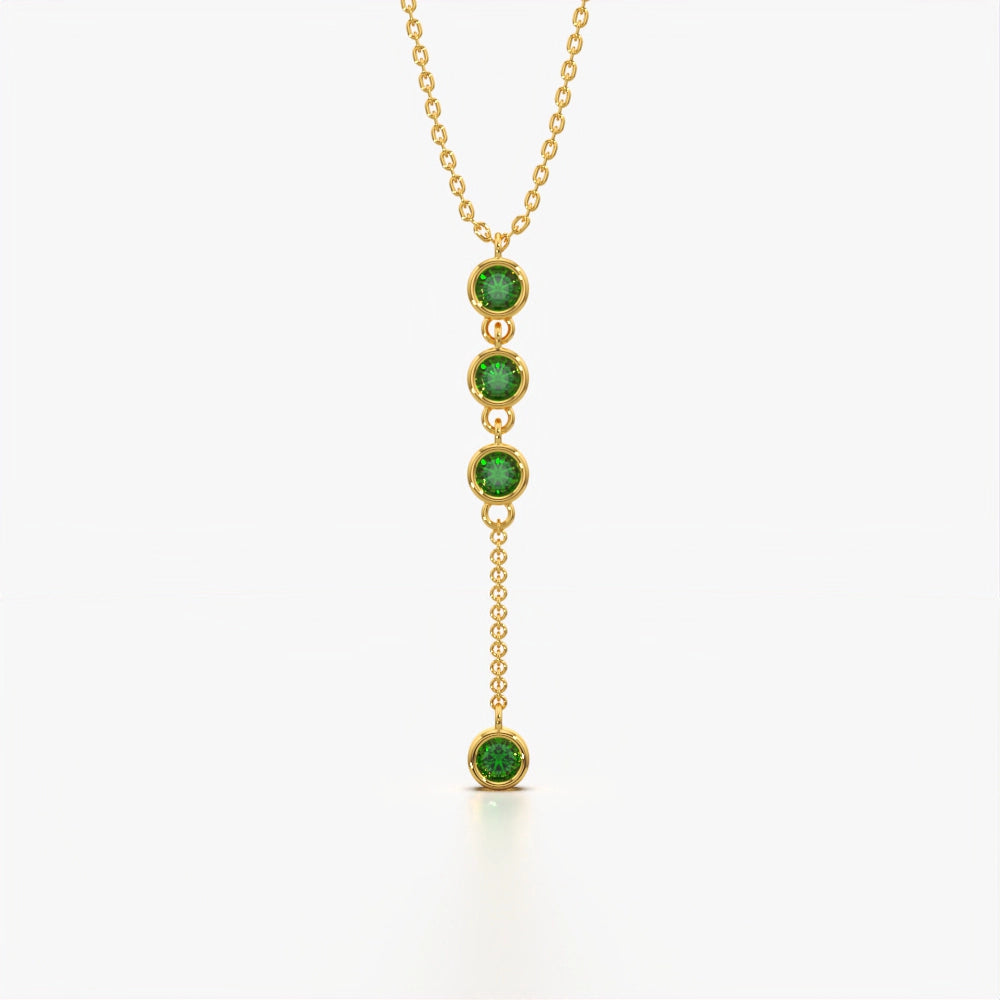
Emerald Green Y-Drop Necklace
Shop Now -

Marquise Station Paperclip Bracelet
Shop Now -

Linked Round Crystal Tennis Bracelet
Shop Now
Types of Gold Vermeil Finishes
By Gold Colour

These refer to the hue of gold used in the vermeil plating.
-
Yellow Gold Vermeil
- Classic warm tone.
- Mimics traditional 18K or 22K yellow gold.
-
Rose Gold Vermeil
- Has a pinkish hue.
- A gold alloy, redefined by its copper content.
-
White Gold Vermeil
- Silvery-white in tone.
- Often plated with rhodium over the gold for extra brightness.
By Gold Karat

| Karat | Gold Purity/Content (%) | Notes & Vermeil Usage |
|---|---|---|
| 24K | 99.9% | Very soft, rarely used in vermeil |
| 22K | 91.7% | Rich yellow colour, uncommon in vermeil |
| 18K | 75.0% | The gold standard for luxury vermeil (used by KYMEE); offers the richest warm gold hue and ideal durability |
| 14K | 58.3% | Popular in Western vermeil; slightly paler yellow tone with good scratch resistance |
| 10K | 41.7% | Less commonly used in vermeil |
By Surface Texture

The surface treatment affects the appearance and feel of the finish.
-
High Polish/Glossy Finish
- Smooth, reflective surface.
- Offers a luxurious, mirror-like shine.
-
Matte/Satin Finish
- Soft, non-reflective sheen.
- Elegant and understated.
-
Brushed Finish
- Fine lines create a textured, directional look.
- Often used in modern or minimalist designs.
-
Hammered Finish
- Small indentations give a handcrafted, rustic appearance.
-
Sandblasted Finish
- Subtle, grainy texture.
- Slightly rough and soft-looking at the same time.
Why Choose Gold Vermeil Jewellery?
Gold vermeil is a popular choice for jewellery due to its balance of quality, aesthetics, and affordability.
Here are its key benefits:
- Affordable Luxury: Gold vermeil offers the luxurious look and feel of solid gold at a significantly lower price point. This makes it an accessible option for those who want the beauty of gold without the high cost.
- Durability and Longevity (Compared to Gold Plated): Gold vermeil is made by layering a thick coat of gold (at least 2.5 microns) over a sterling silver base. This is significantly thicker than standard gold plating (which can be as thin as 0.5 microns or less), making it much more resistant to wear, tarnishing, and flaking. With proper care, gold vermeil jewellery can last for several years, even a decade or more.
- Hypoallergenic: The base metal for gold vermeil must be sterling silver, which is an alloy of 92.5% pure silver. Both sterling silver and gold are generally hypoallergenic, making gold vermeil a safer choice for individuals with sensitive skin who might react to other metals often used in standard gold-plated jewellery (like nickel, brass, or copper).
- Real Precious Metals: Unlike some gold-plated jewellery that uses cheap base metals, gold vermeil is made with two precious metals: real gold (typically 10K, 14K, 18K, or 22K) and 925 sterling silver. This gives it a higher intrinsic value than regular gold-plated items.
- Lustrous Appearance: The thick layer of high-purity gold gives gold vermeil a rich, vibrant yellow gold appearance that is often virtually indistinguishable from solid gold.
- Repairability: While the gold layer on vermeil can eventually wear off over time with heavy use, it can often be replated. This means you can restore your beloved pieces to their original shine, extending their lifespan.
Discover how to style gold vermeil jewellery for any occasion.
Pricing Factors

Gold vermeil sits between fine jewellery (solid gold) and fashion jewellery (base metals with thin gold plating) in terms of price and quality.
Key pricing influencers:
- Gold Thickness & Karat: Thicker layers and higher karat gold raise the price.
- Silver Market Price: The sterling silver base adds intrinsic value.
- Craftsmanship: Handmade or designer pieces cost more.
- Brand: Premium or luxury brands charge more.
- Design Complexity: More intricate designs mean higher labour and production costs.
Longevity and Investment Potential
With proper care, gold vermeil pieces can last for years and become cherished keepsakes.
-

Petite Ribbon Bow Necklace
Shop Now -

Geometric Kite Cluster Open Bangle
Shop Now -
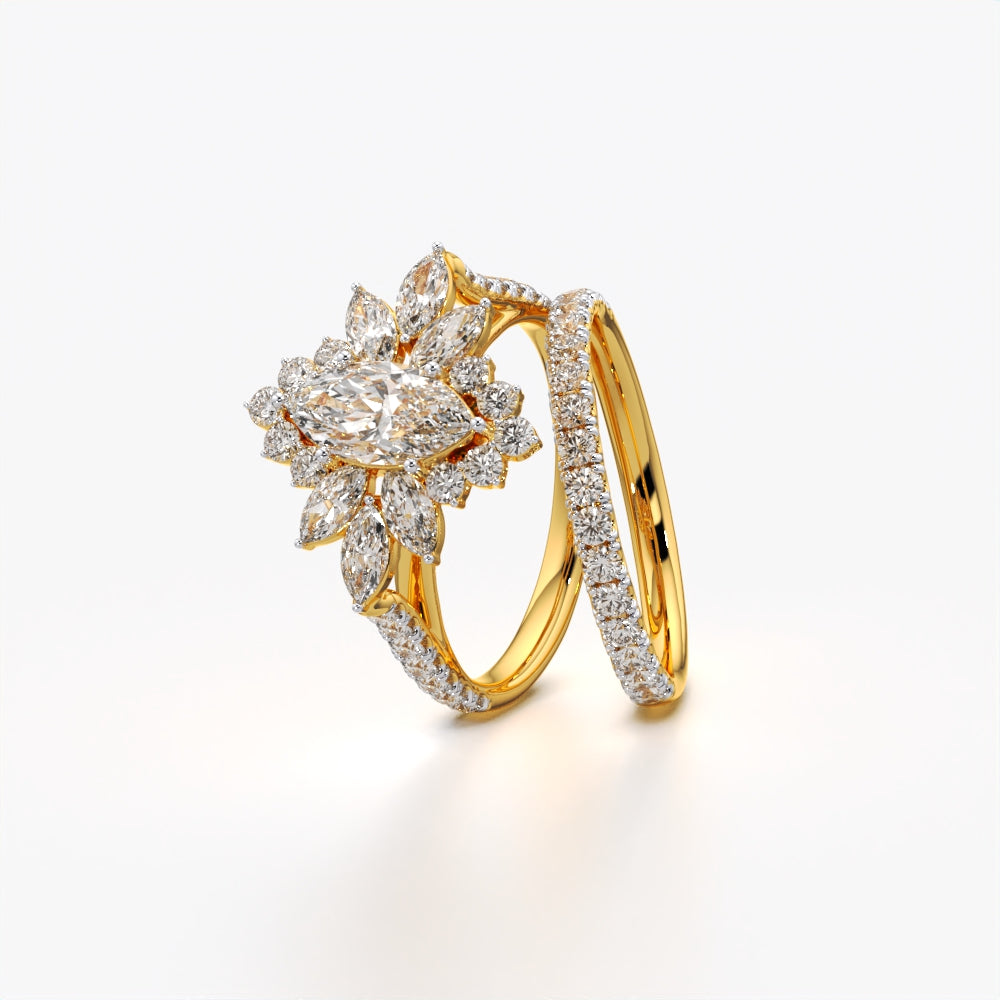
Marquise Starburst Stack Ring
Shop Now -

Crystal Floral Vine Mangalsutra
Shop Now
Popular Gold Vermeil Jewellery

- Necklaces & Pendants: Great layering pieces.
- Earrings: Studs, hoops, and drops.
- Rings: From dainty bands to statement pieces.
- Bracelets: Cuffs and bangles in all gold tones.
Discover the rise of vermeil minimalist jewellery and why it's trending.
How to Identify Real Gold Vermeil

- Look for hallmarks like “925” or “vermeil”
- Check for weight (should feel substantial)
- Test for magnetic properties (real vermeil is non-magnetic)
Learn more effective ways to check gold vermeil purity to ensure you're getting genuine quality.
How to Care for Gold Vermeil Jewellery

- Avoid water, sweat, chemicals, and perfumes
- Gently wipe with a dry, lint-free microfibre cloth after each wear to remove skin oils
- Properly store in a dry, separate pouch
Caring in Indian Weather
High humidity, monsoon moisture, and everyday essentials like perfumes, attar, sunscreen, and kitchen spices (haldi or acidic ingredients) can react with precious metals over time.
Follow the "Last On, First Off" Rule: Put your KYMEE jewellery on after your makeup, perfume, and hairspray have completely dried, and make it the first thing you remove at night.
Monsoon & Sweat Care: After wearing your jewellery on a humid day, gently wipe it down with a dry microfibre cloth to remove sweat and natural skin oils before placing it back into its airtight KYMEE pouch.
Separate Storage: Store each piece in a separate zip-lock or anti-tarnish pouch away from direct sunlight and bathroom moisture to prevent micro-scratches and oxidation.
With proper care, your KYMEE 18K Gold Vermeil jewellery can last for years, even a decade or more.
Learn the proper steps to clean gold vermeil jewellery to maintain its shine and longevity.
Where to Buy Quality Gold Vermeil

- Online Stores at KYMEE
- Boutique Brands: Local artisans and Etsy sellers
Myths and Misconceptions about Gold Vermeil
- “It’s Just Cheap Gold” – False. It’s a legally defined high-quality product.
- “It Doesn’t Last Long” – Proper care makes it last for years.
Environmental and Ethical Impact
Brands now use recycled sterling silver and gold to reduce environmental impact. A win for style and sustainability.
Read about the future of gold vermeil jewellery and upcoming trends.
Conclusion
Gold vermeil strikes the perfect balance between luxury and affordability, and KYMEE's 18K Gold Vermeil collection is the finest expression of that balance. With richer colour, superior thickness, and hypoallergenic sterling silver at its core, it's jewellery designed to be worn, loved, and passed on.
Whether you're drawn to minimalist layering pieces or statement mangalsutras, KYMEE has an 18K vermeil piece made for you.
FAQs
1. What is 18K gold vermeil?
It's sterling silver plated with 18-karat gold, meeting the vermeil thickness requirement.
2. What is the difference between gold vermeil and gold-plated?
Gold vermeil uses sterling silver and a thicker gold layer; gold-plated can use cheaper metals and a thinner gold.
3. What is 14K gold vermeil?
It's a piece of genuine sterling silver that has been thickly plated with 14-karat gold.
4. What is 24K gold vermeil?
It's sterling silver coated with pure 24-karat gold.
5. What is white gold vermeil?
It is sterling silver plated with a white gold alloy, which is often finished with a final layer of rhodium to give it a brilliant, silvery-white shine and extra durability.
6. What is the difference between gold vermeil and 14K gold?
Gold vermeil is silver with a gold coating; 14K gold is solid gold mixed with other metals.
7. What is the difference between solid gold and gold vermeil?
Solid gold is made of a gold alloy all the way through, whereas gold vermeil consists of a thick layer of gold plated over a solid sterling silver core.
8. What is yellow gold vermeil?
Sterling silver coated with yellow gold.
9. What is rose gold vermeil?
Sterling silver plated with rose gold (gold mixed with copper).
10. What is 22K gold vermeil?
Sterling silver with a 22-karat gold layer.
11. Is gold vermeil real gold?
Yes, it's real gold layered over sterling silver, not imitation or fake gold.
12. Will gold vermeil tarnish?
It can, especially with exposure to water and chemicals, but it can be cleaned and restored.
13. Can you shower with gold vermeil?
It is highly recommended to remove it before showering. While pure water itself won't instantly harm the jewellery, the harsh body soaps, shampoos, and hard minerals found in shower water will accelerate the fading of the gold layer over time.
14. Is gold vermeil worth it?
Absolutely! If you're looking for high-quality jewellery that won't break the bank, gold vermeil is a smart choice.
15. What is better, gold-plated or vermeil?
Vermeil is better than gold-plated because it has a thicker gold layer and uses sterling silver, making it more durable and higher quality.
16. What is better, gold vermeil or gold-filled
While gold-filled is more durable for daily wear due to its mechanically bonded layer, gold vermeil is widely preferred by those with sensitive skin because it uses a hypoallergenic, precious metal base (sterling silver) rather than brass.
17. Is gold vermeil good quality?
Yes, gold vermeil is good quality. It has a thick layer of gold over sterling silver, making it better than regular gold plating.
18. Can you wear gold vermeil every day?
Yes! Thanks to its thick 2.5-micron gold layer over solid 925 sterling silver, high-quality 18K gold vermeil is designed for regular, everyday wear. To keep it looking brand new for years, simply remove your pieces before showering, swimming, exercising, or applying perfumes and lotions.
19. Is gold vermeil hallmarked?
Yes, it can be hallmarked, usually for the sterling silver base (e.g., “925”).
20. Why is vermeil used in jewellery?
Gold vermeil is used because it looks like solid gold but costs much less. It has a thick layer of gold over 925 sterling silver, giving it a luxurious appearance, durability, and affordability.
21. Will gold vermeil turn your finger green?
Usually no. Vermeil uses sterling silver under real gold, so it rarely turns skin green.
22. Why should someone choose 18K gold vermeil jewellery?
People choose 18K gold vermeil because it offers:
- Richer gold colour
- Thicker, higher-quality gold plating
- More affordable than solid 18K gold
- Better durability than regular gold-plated jewellery
23. How much is gold vermeil worth?
Gold vermeil is worth less than solid gold jewellery because it is not solid all the way through. Its value mostly comes from the craftsmanship, the brand, and the high-quality sterling silver base, rather than the raw weight of the gold layer.
24. How to check the thickness of vermeil?
You usually can't check it by eye. Ways to verify include:
- Product specifications from the brand
- Jeweller testing with XRF machines
- Checking if it meets the standard: at least 2.5 microns of gold over sterling silver
25. How to make vermeil last longer?
To make gold vermeil last:
- Avoid water, perfume, and chemicals
- Remove before workouts or showers
- Store in a soft pouch
- Clean gently with a soft cloth
- Keep pieces separate to prevent scratches
26. What is gold-plated jewellery?
A thin layer of gold is coated over a base metal like brass or steel.
27. What is gold vermeil?
A premium type of jewellery featuring a gold layer that must measure at least 2.5 microns in thickness and range from 10K up to 24K in purity (with 18K being the gold standard for balancing rich colour and everyday durability).
28. Is gold vermeil hypoallergenic?
Yes. Because it uses a solid sterling silver base rather than cheap base metals, it is generally considered hypoallergenic and gentle on sensitive skin.
29. How to clean gold vermeil jewellery?
For everyday cleaning, buff gently with a dry microfibre jewellery cloth. If a piece needs deeper cleaning, lightly wipe it with a cloth dampened in lukewarm water and a drop of mild, chemical-free soap, rinse briefly, and pat completely dry before storing; never soak gold vermeil in water.
30. Can you resize gold vermeil?
It is not recommended. The cutting and high heat involved in resizing will destroy the gold layer at the seam, meaning the entire piece must be professionally re-plated afterwards.
31. Does gold vermeil change colour?
Yes, over time, it may fade or tarnish if not cared for.
32. Does gold vermeil contain nickel?
Authentic, high-grade gold vermeil should never contain nickel. At KYMEE, every 18K gold vermeil piece is crafted over solid 925 sterling silver and is 100% nickel-free, lead-free, and hypoallergenic, making it completely safe for sensitive skin.
33. How to restore gold vermeil?
It can be restored by taking it to a professional jeweller to have the piece re-plated with a fresh layer of gold.
34. Is gold vermeil expensive?
It falls in the mid-range; it is more of an investment than standard gold-plated jewellery, but significantly more affordable than solid gold.
35. Is gold vermeil good for sensitive ears?
Yes, generally safe due to the sterling silver base.
36. Is gold vermeil magnetic?
No, it should not be magnetic.
37. Is gold vermeil pawnable?
While traditional pawn shops only weigh solid gold for melt value, gold vermeil retains intrinsic value from its solid 925 sterling silver core. Moreover, when you shop at KYMEE, your jewellery is protected by our Lifetime Buyback Policy, ensuring long-term value for every piece you own.
38. Can you use an ultrasonic cleaner on gold vermeil?
No, it can damage the gold layer.
39. Can you sleep with gold vermeil?
It is not recommended, as the constant friction against your skin and bedding can cause the gold layer to wear down much faster.
40. How thick is the gold in vermeil?
At least 2.5 microns (much thicker than gold plating).
41. What's the difference between gold bonded and gold vermeil?
- Vermeil: gold over sterling silver
- Bonded: gold fused over base metals (not always silver)