


 All Rings
 Toi Et Moi Rings
 Wedding Bands
 Solitaire Rings
 Stackable Rings
 Dainty Rings
 Personalized Rings
 Daily Wear Rings
 Halo Rings
 Ring Set
 For Daily Wear
 For Party
 For Work
 For Gifting
 For College
 For Festive Days
 All Earrings
 Hoop Earrings
 Drop Earrings
 Stud Earrings
 Name Earrings
 Threader Earrings
 All Necklaces
 Charm Pendants
 Pendant & Necklaces
 Station Necklaces
 Personalized Necklaces
 Layered Necklaces
 Drop Necklaces
 All Bracelets
 Name Bracelets
 Chain Link Bracelets
 Bangle Bracelets
 Charm Bracelets
 Tennis Bracelets
Gold Vermeil: Meaning, Origin, Process, Colour, Karat, Benefits and Jewellery

Gold vermeil (pronounced "ver-may") is a luxurious yet affordable type of gold jewellery. It consists of a 2.5 micron thick layer of gold, typically 14K, 18K, 22K, or even 24K, plated over 925 sterling silver.
For a piece to be legally called gold vermeil in many countries, including India, it must meet specific standards: the gold must be at least 10 karats and 2.5 microns thick, layered over a 925 sterling silver base.
Origin and Historical Significance
The term “vermeil” comes from French, first used in the 18th century to describe gilded silver items worn by royalty and aristocracy.
Today, it blends elegance with affordability, making fine jewellery accessible to a broader audience.
Read more about the fascinating history of gold vermeil and its evolution in jewellery design.
-

Connected Heart Duo Necklace
Show Now -

Heart Drop Pave Huggie Earrings
Show Now -

Pave Link Chain Ring
Show Now -

Oval Halo Solitaire Mangalsutra
Show Now
Legal Definition and Standards
- Gold Purity: Minimum 10K, commonly 14K or 18K
- Thickness: At least 2.5 microns of gold
- Base Metal: 925 Sterling Silver
Every piece in KYMEE's 18K Gold Vermeil range is handcrafted to meet and exceed these standards, giving you jewellery that is not just beautiful, but genuinely certified quality.
Gold Vermeil Process
Gold vermeil is crafted through electrolysis, where gold is bonded to the silver base in a controlled process, ensuring durability.
Base Metal Requirements
Only pure sterling silver (92.5% silver) can be used for genuine vermeil.
Thickness of Gold Layer
At 2.5 microns or more, the gold layer is substantially thicker than regular gold plating (often less than 0.5 microns).
Plating Techniques
Techniques like electroplating and micron plating ensure a smooth, long-lasting finish that mimics the brilliance of solid gold.
Complete guide on how gold vermeil is made.
Gold Vermeil vs Other Jewellery Types

When choosing jewellery, understanding the different types of gold finishes and materials is crucial for making an informed decision based on your budget, durability needs, and aesthetic preferences.
Here's a breakdown of gold vermeil compared to other common jewellery types:
Gold Vermeil (pronounced "ver-may")
- Composition: Gold vermeil is a specific type of gold plating. It features a base of sterling silver (92.5% pure silver and 7.5% copper) with a thick layer of gold electroplated over it.
- Gold Thickness: To be considered vermeil, the gold layer must be a minimum of 2.5 microns thick and typically at least 10 karats (often 14K or 18K). This thickness is significantly more substantial than standard gold plating.
-
Pros:
- Affordable Luxury: Offers the luxurious look and feel of solid gold at a much lower price point.
- Durable (compared to gold plating): The thicker gold layer makes it more resistant to wear, tarnishing, and scratching than regular gold-plated jewellery.
- Hypoallergenic: Since the base metal is sterling silver (a precious metal) and the gold layer is substantial, it's generally safe for people with sensitive skin who may react to base metals used in other plated jewellery.
- Looks like solid gold: It has the same colour and shine as solid gold.
-
Cons:
- Can still wear off: While more durable than regular plating, the gold layer can eventually wear down over time, especially with frequent wear or exposure to harsh chemicals.
- Requires care: Needs proper care to maintain its lustre and prolong its lifespan (avoiding water, harsh chemicals, and abrasive materials).
- Difficult to repair: Re-plating gold vermeil can be a complex and costly process.
- Can tarnish: The sterling silver base can tarnish if the gold layer wears thin, particularly if exposed to moisture.
Solid Gold
- Composition: Gold all the way through, mixed with other metals (alloys like copper, silver, zinc) to increase durability, as pure gold (24K) is very soft. Common karats include 10K, 14K, 18K, and 22K, indicating the percentage of pure gold (e.g., 14K is 58.3% pure gold).
-
Pros:
- Most Durable: Extremely durable and long-lasting, designed to withstand daily wear for generations.
- Highest Value: Holds its intrinsic value and can appreciate over time.
- Hypoallergenic (higher karats): Generally hypoallergenic, especially higher karat gold.
- Doesn't Tarnish: Does not tarnish.
- Easily Repaired: Can be repaired, polished, and reshaped by jewellers.
-
Cons:
- Most Expensive: Significantly more expensive than any other gold option.
- Softer (higher karats): Higher karat gold (like 24K) is softer and more prone to scratches and dents.
Explore a stylish alternative to gold jewellery.

Gold Plated
- Composition: A very thin layer of gold (typically less than 0.5 microns) applied over a base metal, which can be anything from copper or brass to nickel.
-
Pros:
- Most Affordable: The cheapest option for a gold look.
- Wide Variety: Available in a vast range of designs due to the low cost.
-
Cons:
- Least Durable: The gold layer is very thin and will wear off quickly, revealing the base metal underneath.
- Prone to Tarnishing: The exposed base metal can tarnish and cause skin discolouration.
- Not Hypoallergenic: Base metals like nickel can cause allergic reactions.
- Low Resale Value: Has almost no intrinsic value.
- Not for Daily Wear: Best for occasional wear or fashion trends.
Gold Filled
- Composition: A much thicker layer of gold (at least 5% of the total weight of the jewellery) mechanically bonded to a base metal, usually brass.
-
Pros:
- More Durable than Plated: The thick gold layer makes it significantly more durable and resistant to tarnish than gold-plated jewellery.
- Good Value: Offers a good balance between quality and affordability.
- Looks like Gold: Has a similar appearance to solid gold.
-
Cons:
- Not Solid Gold: Still not solid gold, so the gold layer can eventually wear through over many years, though much slower than plating.
- Less Value than Solid Gold: Does not hold its value like solid gold.
- Base Metal Sensitivity: While the gold layer is thick, if the base metal is exposed, it could potentially cause issues for those with severe allergies.
- Requires care: Still benefits from proper care to maximise its lifespan.
Sterling Silver
- Composition: As mentioned, sterling silver is an alloy of 92.5% pure silver and 7.5% other metals, typically copper.
-
Pros:
- Affordable: More affordable than gold vermeil, gold-filled, or solid gold.
- Durable: A strong and relatively durable metal for jewellery.
- Hypoallergenic: Generally safe for sensitive skin.
- Versatile: Widely used and comes in countless designs.
-
Cons:
- Tarnishes: Sterling silver is prone to tarnishing (oxidising and turning dark) when exposed to air and moisture. It requires regular cleaning.
- Not Gold: Doesn't offer the golden aesthetic if that's what you desire.
When to choose each
- Gold Vermeil: Excellent for those who want the look of solid gold at a more accessible price, especially for pieces worn regularly but perhaps not constantly, and for sensitive skin.
- Solid Gold: For heirloom pieces, daily wear, or if you want the highest quality and investment.
- Gold Filled: A great everyday option for a gold look that's more durable than plated and more affordable than solid gold.
- Gold Plated: For trendy, inexpensive pieces, or if you only plan to wear the item occasionally.
- Sterling Silver: For durable, affordable, and hypoallergenic silver-toned jewellery, especially if you don't mind occasional cleaning for tarnish.
Ultimately, the "best" type of jewellery depends on your individual needs, budget, and how you plan to wear and care for the piece.
-

Pave Infinity Mangalsutra
Show Now -
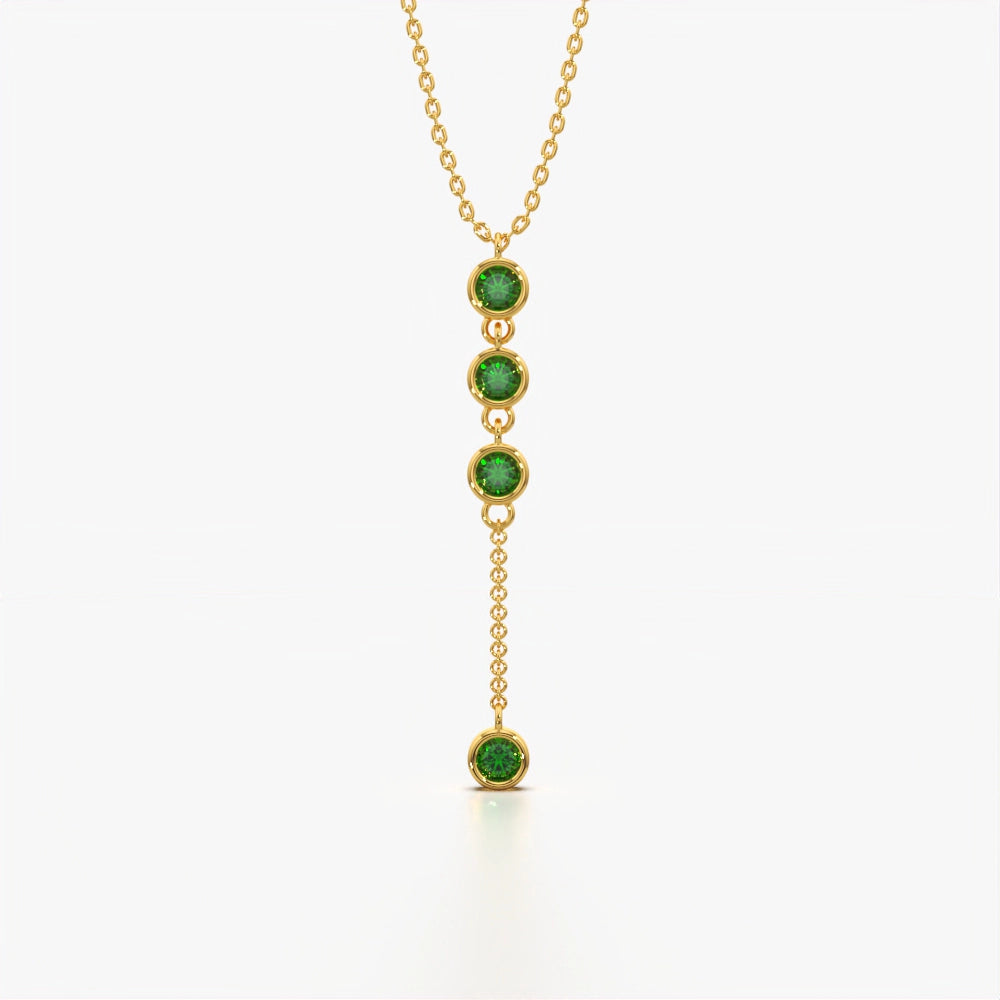
Emerald Green Y-Drop Necklace
Show Now -

Marquise Station Paperclip Bracelet
Show Now -

Linked Round Crystal Tennis Bracelet
Show Now
Types of Gold Vermeil Finishes
By Gold Colour
These refer to the hue of gold used in the vermeil plating.
-
Yellow Gold Vermeil
- Classic warm tone.
- Mimics traditional 18K or 22K yellow gold.
-
Rose Gold Vermeil
- Has a pinkish hue.
- A gold alloy, redefined by its copper content.
-
White Gold Vermeil
- Silvery-white in tone.
- Often plated with rhodium over the gold for extra brightness.
By Gold Karat
| Gold Purity | Karat | Gold Content (%) |
|---|---|---|
| 24K | 99.9% | Very soft, rarely used in vermeil |
| 22K | 91.7% | Rich yellow colour, uncommon in vermeil |
| 18K | 75.0% | Common in high-end vermeil jewellery |
| 14K | 58.3% | Most common for durability + colour |
| 10K | 41.7% | Less commonly used in vermeil |
By Surface Texture
The surface treatment affects the appearance and feel of the finish.
-
High Polish/Glossy Finish
- Smooth, reflective surface.
- Offers a luxurious, mirror-like shine.
-
Matte/Satin Finish
- Soft, non-reflective sheen.
- Elegant and understated.
-
Brushed Finish
- Fine lines create a textured, directional look.
- Often used in modern or minimalist designs.
-
Hammered Finish
- Small indentations give a handcrafted, rustic appearance.
-
Sandblasted Finish
- Subtle, grainy texture.
- Slightly rough and soft-looking at the same time.
Why Choose Gold Vermeil Jewellery?
Gold vermeil is a popular choice for jewellery due to its balance of quality, aesthetics, and affordability.
Here are its key benefits:
- Affordable Luxury: Gold vermeil offers the luxurious look and feel of solid gold at a significantly lower price point. This makes it an accessible option for those who want the beauty of gold without the high cost.
- Durability and Longevity (Compared to Gold Plated): Gold vermeil is made by layering a thick coat of gold (at least 2.5 microns) over a sterling silver base. This is significantly thicker than standard gold plating (which can be as thin as 0.5 microns or less), making it much more resistant to wear, tarnishing, and flaking. With proper care, gold vermeil jewellery can last for several years, even a decade or more.
- Hypoallergenic: The base metal for gold vermeil must be sterling silver, which is an alloy of 92.5% pure silver. Both sterling silver and gold are generally hypoallergenic, making gold vermeil a safer choice for individuals with sensitive skin who might react to other metals often used in standard gold-plated jewellery (like nickel, brass, or copper).
- Real Precious Metals: Unlike some gold-plated jewellery that uses cheap base metals, gold vermeil is made with two precious metals: real gold (typically 10K, 14K, 18K, or 22K) and 925 sterling silver. This gives it a higher intrinsic value than regular gold-plated items.
- Lustrous Appearance: The thick layer of high-purity gold gives gold vermeil a rich, vibrant yellow gold appearance that is often virtually indistinguishable from solid gold.
- Repairability: While the gold layer on vermeil can eventually wear off over time with heavy use, it can often be replated. This means you can restore your beloved pieces to their original shine, extending their lifespan.
Discover how to style gold vermeil jewellery for any occasion.
Pricing Factors
Gold vermeil sits between fine jewellery (solid gold) and fashion jewellery (base metals with thin gold plating) in terms of price and quality.
Key pricing influencers:
- Gold Thickness & Karat: Thicker layers and higher karat gold raise the price.
- Silver Market Price: The sterling silver base adds intrinsic value.
- Craftsmanship: Handmade or designer pieces cost more.
- Brand: Premium or luxury brands charge more.
- Design Complexity: More intricate designs mean higher labour and production costs.
Longevity and Investment Potential
With proper care, gold vermeil pieces can last for years and become cherished keepsakes.
-

Petite Ribbon Bow Necklace
Show Now -

Geometric Kite Cluster Open Bangle
Show Now -
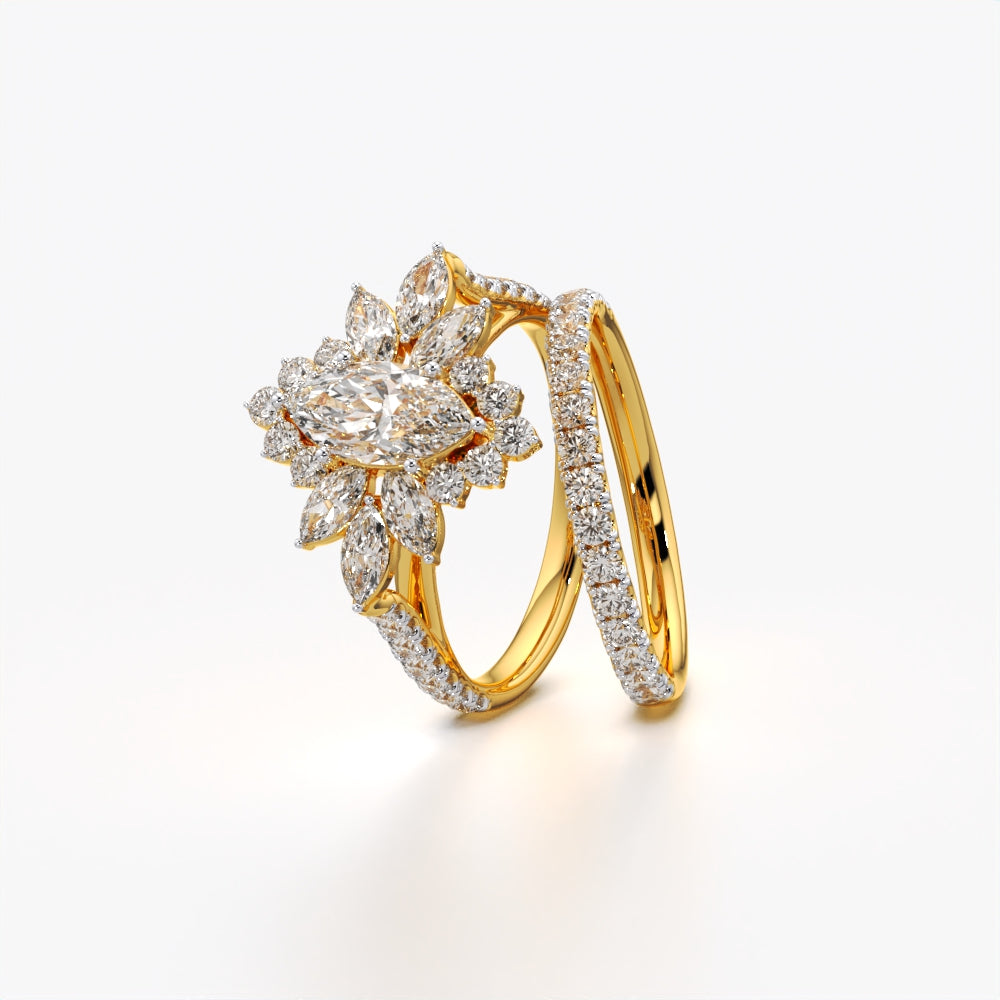
Marquise Starburst Stack Ring
Show Now -

Crystal Floral Vine Mangalsutra
Show Now
Popular Gold Vermeil Jewellery
- Necklaces & Pendants: Great layering pieces.
- Earrings: Studs, hoops, and drops.
- Rings: From dainty bands to statement pieces.
- Bracelets: Cuffs and bangles in all gold tones.
Discover the rise of vermeil minimalist jewellery and why it's trending.
How to Identify Real Gold Vermeil
- Look for hallmarks like “925” or “vermeil”
- Check for weight (should feel substantial)
- Test for magnetic properties (real vermeil is non-magnetic)
Learn more effective ways to check gold vermeil purity to ensure you're getting genuine quality.
How to Care for Gold Vermeil Jewellery
- Avoid water, sweat, and perfumes
- Clean with a soft cloth only
- Store in a dry, separate pouch
With proper care, your KYMEE 18K Gold Vermeil jewellery can last for years, even a decade or more.
Learn the proper steps to clean gold vermeil jewellery to maintain its shine and longevity.
Where to Buy Quality Gold Vermeil
- Online Stores at KYMEE
- Boutique Brands: Local artisans and Etsy sellers
Myths and Misconceptions About Gold Vermeil
- “It’s Just Cheap Gold” – False. It’s a legally defined high-quality product.
- “It Doesn’t Last Long” – Proper care makes it last years.
Environmental and Ethical Impact
Brands now use recycled sterling silver and ethically sourced gold to reduce environmental impact. A win for style and sustainability.
Read about the future of gold vermeil jewellery and upcoming trends.
Conclusion
Gold vermeil strikes the perfect balance between luxury and affordability, and KYMEE's 18K Gold Vermeil collection is the finest expression of that balance. With richer colour, superior thickness, and hypoallergenic sterling silver at its core, it's jewellery designed to be worn, loved, and passed on.
Whether you're drawn to minimalist layering pieces or statement mangalsutras, KYMEE has an 18K vermeil piece made for you.
FAQs
1. What is 18K gold vermeil?
It's sterling silver plated with 18-karat gold, meeting the vermeil thickness requirement.
2. What is the difference between gold vermeil vs plated?
Gold vermeil uses sterling silver and a thicker gold layer; gold-plated can use cheaper metals and thinner gold.
3. What is 14K vermeil gold?
It's sterling silver plated with 14-karat gold.
4. What is 24K gold vermeil?
It's sterling silver coated with pure 24-karat gold.
5. What is white gold vermeil?
Sterling silver plated with white gold (usually rhodium over gold).
6. What is gold vermeil vs 14K gold?
Gold vermeil is silver with a gold coating; 14K gold is solid gold mixed with other metals.
7. What is the difference between gold and gold vermeil?
Gold can be solid or filled; vermeil is silver with a thick gold layer.
8. What is yellow gold vermeil?
Sterling silver coated with yellow gold.
9. What is rose gold vermeil?
Sterling silver plated with rose gold (gold mixed with copper).
10. What is 22K gold vermeil?
Sterling silver with a 22-karat gold layer.
11. What is gold vermeil made of?
Sterling silver base + thick layer of gold (minimum 2.5 microns).
12. Is gold vermeil real gold?
Yes, it's real gold layered over sterling silver, not imitation or fake gold.
13. Will gold vermeil tarnish?
It can, especially with exposure to water and chemicals, but it can be cleaned and restored.
14. Can you shower with gold vermeil?
It's best to avoid water as it may cause fading over time.
15. Is Gold Vermeil Worth It?
Absolutely! If you're looking for high-quality jewellery that won't break the bank, gold vermeil is a smart choice.
16. What is better, gold-plated or vermeil?
Vermeil is better than gold-plated because it has a thicker gold layer and uses sterling silver, making it more durable and higher quality.
17. What is better, gold vermeil or gold filled?
Gold-filled is better than vermeil because it contains more gold and is more durable, especially for daily wear.
18. Is vermeil gold good quality?
Yes, gold vermeil is good quality. It has a thick layer of gold over sterling silver, making it better than regular gold plating.
19. Can you wear a gold vermeil every day?
You can, but it's not ideal. Daily wear can cause the gold layer to fade faster. It's best to remove it when showering, exercising, or sleeping.
20. Is gold vermeil hallmarked?
Yes, it can be hallmarked, usually for the sterling silver base (e.g., “925”).
21. Why is vermeil used in jewellery?
Gold vermeil is used because it looks like solid gold but costs much less. It has a thick layer of gold over 925 sterling silver, giving it a luxurious appearance, durability, and affordability.
22. Will gold vermeil turn your finger green?
Usually no. Vermeil uses sterling silver under real gold, so it rarely turns skin green.
23. Why should someone choose 18K gold vermeil jewellery?
People choose 18K gold vermeil because it offers:
- Richer gold color
- Thicker, higher-quality gold plating
- More affordable than solid 18K gold
- Better durability than regular gold-plated jewellery
24. Can gold vermeil get wet?
Yes, it can get wet, but frequent exposure to water, sweat, soap, or perfume can wear down the gold layer faster. It's best to remove it before showering or swimming.
25. How much is gold vermeil worth?
Gold vermeil is worth less than solid gold jewellery because the gold layer is thin. Its value mostly comes from the design, brand, and sterling silver base, not the gold weight.
26. How to check the thickness of vermeil?
You usually can't check it by eye. Ways to verify include:
- Product specifications from the brand
- Jeweller testing with XRF machines
- Checking if it meets the standard: at least 2.5 microns of gold over sterling silver
27. How to make vermeil last longer?
To make gold vermeil last:
- Avoid water, perfume, and chemicals
- Remove before workouts or showers
- Store in a soft pouch
- Clean gently with a soft cloth
- Keep pieces separate to prevent scratches
28. What is gold-plated jewellery?
A thin layer of gold is coated over a base metal like brass or steel.
29. What is gold vermeil?
Gold layered over solid sterling silver (thicker and higher quality than regular gold plating).
30. Is gold vermeil hypoallergenic?
Yes, usually, because it uses sterling silver, which is gentle on skin.
31. Is gold vermeil waterproof?
No. Water can slowly wear off the gold layer.
32. How to clean gold vermeil jewellery?
Use mild soap, lukewarm water, and a soft cloth. Avoid harsh chemicals.
33. Can you resize gold vermeil?
Sometimes, but risky, the gold layer can get damaged.
34. Does gold vermeil change colour?
Yes, over time, it may fade or tarnish if not cared for.
35. Does gold vermeil contain nickel?
Usually no, but it depends on the brand; check the details.
36. How to restore gold vermeil?
Re-plating with gold by a jeweller.
37. Is gold vermeil expensive?
Mid-range, more than gold-plated, less than solid gold.
38. Is gold vermeil good for sensitive ears?
Yes, generally safe due to sterling silver base.
39. Is gold vermeil magnetic?
No, it should not be magnetic.
40. Is gold vermeil pawnable?
Usually, no, low resale value compared to solid gold.
41. Can you use an ultrasonic cleaner on gold vermeil?
No, it can damage the gold layer.
42. Can you sleep with gold vermeil?
Not recommended, it can wear down faster.
43. How thick is the gold in vermeil?
At least 2.5 microns (much thicker than gold plating).
44. What's the difference between gold bonded and gold vermeil?
- Vermeil: gold over sterling silver
- Bonded: gold fused over base metals (not always silver)